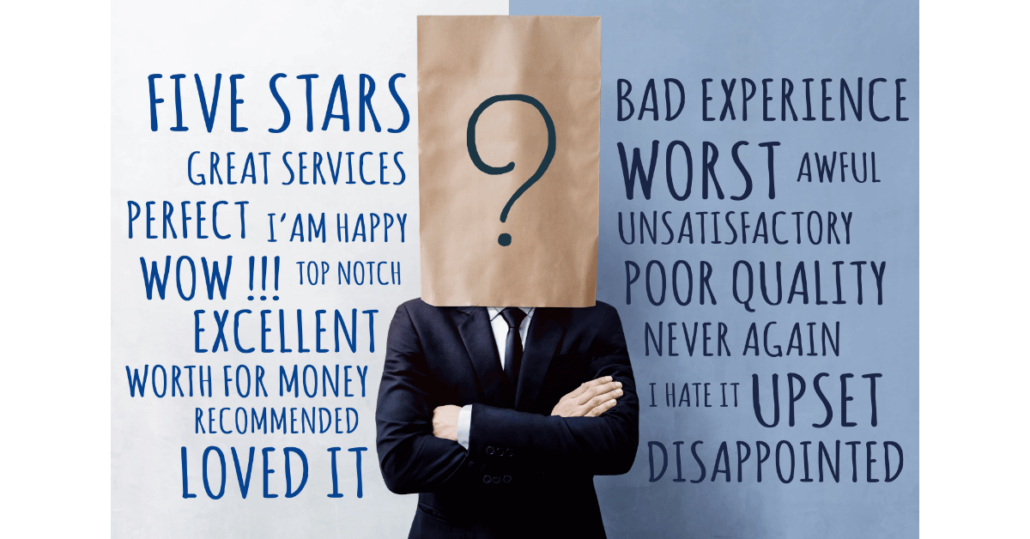
Addressing Negative Reviews and Comments
Turning Lemons into Lemonade
Where online reviews and comments hold immense power, encountering negative feedback can feel like a punch to the gut. Whether it’s a scathing review on your website, a negative social media comment, or a critical response to an article you wrote, negativity can be disheartening and demotivating. But remember, negative feedback doesn’t have to be the end of the story. It can be a valuable opportunity for growth and improvement. Here’s how to navigate negative reviews and comments like a pro:
Stay Calm and Collected:
Your first instinct might be to react defensively or ignore the negativity altogether. However, both approaches can damage your reputation further. Take a deep breath and remember that criticism, even harsh criticism, doesn’t define your worth. Approach the situation with a calm and professional demeanor.
Listen Carefully and Acknowledge:
Read the negative feedback carefully and try to understand the reviewer’s perspective. What specifically upset them? What could have been done differently? Acknowledge their concerns, even if you disagree with them entirely. A simple “Thank you for your feedback” or “I appreciate you bringing this to my attention” shows that you value their opinion and are willing to listen.
Address the Issue Publicly (if necessary):
If the negative feedback contains inaccurate information or raises a valid concern, it’s best to address it publicly. Briefly clarify the situation, apologize if necessary, and explain what you’ll do to prevent similar issues in the future. Be transparent and honest, and avoid getting into arguments or personal attacks.

Take the Conversation Offline (sometimes):
If the negativity escalates or involves sensitive information, take the conversation offline. Offer to move the discussion to a private message, email, or phone call to address the issue constructively and avoid further public drama.
Learn and Improve:
Use negative feedback as a learning opportunity. Identify areas where you can improve your product, service, or communication. Analyze the common themes in negative reviews and see if there are recurring patterns you can address. Implement changes to prevent similar issues in the future.
Highlight Positive Comments:
Don’t let negative feedback drown out the positive! Share positive reviews and testimonials alongside negative ones to balance the perspective and showcase your dedication to customer satisfaction. Encourage happy customers to leave reviews as well.
Remember, You Can’t Please Everyone:
As much as you strive for perfection, there will always be someone who disagrees with you or has a negative experience. Don’t take it personally. Focus on responding professionally to legitimate concerns and learning from constructive criticism.
Here are some additional tips for effective response:
- Respond promptly: Don’t leave negative feedback hanging for days or weeks. Aim to respond within 24 hours, especially for critical issues.
- Personalize your response: Avoid generic templates and address the reviewer by name. Show that you’re treating them as an individual with a genuine concern.
- Focus on solutions, not excuses: Don’t make excuses or dwell on the past. Explain what you’ll do to rectify the situation or prevent similar issues in the future.
- Maintain a positive and professional tone: Even if the reviewer is rude or aggressive, stay calm and respectful. Remember, you’re representing your brand.
- End on a positive note: Thank the reviewer for their feedback and reiterate your commitment to improvement.
Check out some examples of a professional response to a negative review or comment
Example 1: Restaurant Receives Complaint About Slow Service
Negative Review: “The food was decent, but the service was terrible! We waited over an hour for our main course, and the waiter barely checked on us. Very disappointed!” – John Smith on Yelp
Restaurant Response:
Dear John,
Thank you for taking the time to leave your feedback. We’re so sorry to hear that your experience at our restaurant wasn’t up to par, especially regarding the slow service. We understand your frustration and disappointment, and we sincerely apologize for the inconvenience this caused.
We take pride in providing our guests with a prompt and attentive dining experience. Unfortunately, on this particular evening, we were experiencing an unexpectedly high volume of customers, which led to longer wait times than usual. We are currently implementing additional measures to improve our service efficiency during peak hours, such as increasing staffing levels and optimizing our kitchen operations.
We would love to regain your trust and hope you’ll give us another chance. Please accept a complimentary appetizer or dessert on your next visit. We can be reached at [phone number] to make a reservation and ensure a smoother experience.
Sincerely,
The Management Team at [Restaurant Name]
Key points:
- Acknowledges the customer’s frustration and apologizes sincerely.
- Explains the reason for the inconvenience without making excuses.
- Outlines steps taken to prevent similar issues in the future.
- Offers a token of appreciation to regain trust.
Example 2: Online Retailer Gets Product Quality Complaint
Negative Comment: “This shirt is cheaply made and falls apart after one wash! Very dissatisfied with the quality.” – Jane Doe on Product Page
Retailer Response:
Dear Jane,
Thank you for your feedback on the [shirt name]. We’re concerned to hear that you’re not satisfied with the quality and apologize for the disappointment.
We strive to offer our customers high-quality products, and we take all feedback seriously. We’ve investigated your concern and identified a recent issue with [explain the specific issue, e.g., a faulty batch of materials]. We have taken immediate steps to address this issue by [explain corrective actions, e.g., removing the affected batch, reviewing quality control procedures].
We would like to offer you a full refund or replacement for the shirt, whichever you prefer. Additionally, we’d like to offer you a 15% discount on your next purchase as a token of our apology. Please contact us at [customer service email] to process your request or discuss further options.
Thank you for your understanding. We value your business and appreciate you bringing this issue to our attention.
Sincerely,
The Customer Service Team at [Retailer Name]
Key points:
- Takes responsibility for the issue and explains the cause.
- Outlines actions taken to address the problem and prevent recurrence.
- Offers clear solutions to compensate the customer.
- Shows appreciation for the feedback and encourages future business.

Remember, negative feedback can be a powerful tool for growth and improvement. By responding thoughtfully, professionally, and constructively, you can turn lemons into lemonade and build a stronger, more resilient brand.
References:
- Harvard Business Review: https://hbr.org/2015/08/how-to-handle-negative-feedback
- Forbes: https://www.forbes.com/sites/theyec/2021/10/06/handling-negative-feedback-in-the-best-way-possible/
- Sprout Social: https://www.reviewtrackers.com/guides/examples-responding-reviews/