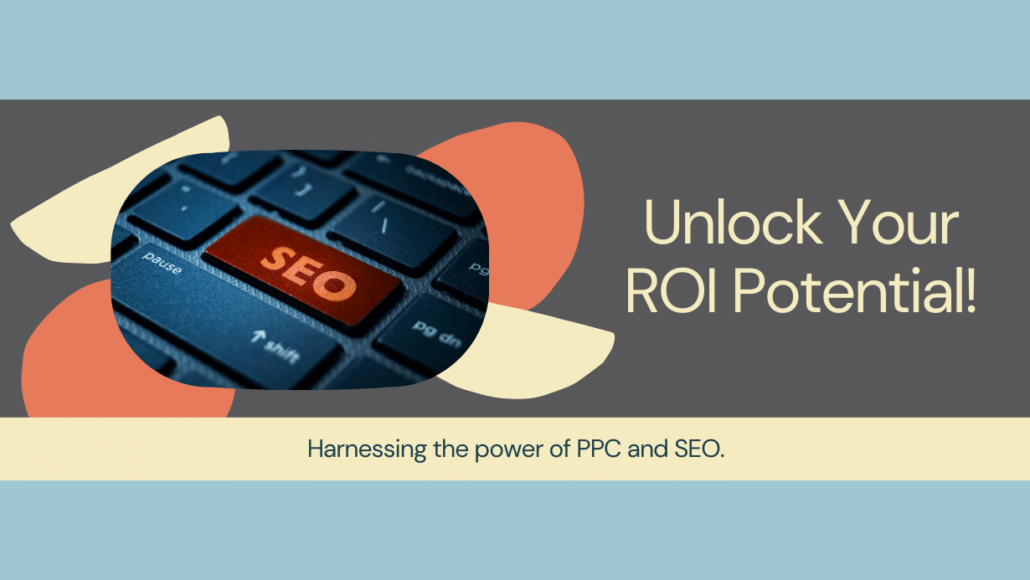
Maximizing Your ROI: The Power of PPC and SEO
In the digital marketing landscape, businesses are constantly looking for ways to maximize their return on investment (ROI). Two of the most effective strategies to achieve this are Pay-Per-Click (PPC) advertising and Search Engine Optimization (SEO). Each has its unique advantages, but when combined, they can create a powerful synergy that drives substantial results. At VantagePoint Marketing, we specialize in leveraging the power of both PPC and SEO to help businesses in Anoka and beyond achieve their marketing goals. In this article, we’ll explore how integrating PPC and SEO can maximize your ROI.
Understanding SEO
What is SEO?
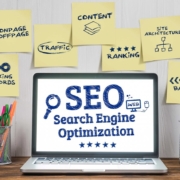
Search Engine Optimization (SEO) is the practice of optimizing your website to improve its visibility in organic search engine results. This involves a combination of on-page, off-page, and technical optimization techniques aimed at increasing your site’s relevance and authority for specific search queries.

Top SEO Strategies
- Keyword Research: Identify relevant keywords that your target audience is searching for. Use tools like Google Keyword Planner, SEMrush, and Ahrefs to find high-traffic, low-competition keywords.
- Quality Content Creation: Create high-quality, informative, and engaging content that addresses the needs and interests of your audience. Regularly update your blog with fresh content to keep users engaged and improve your search rankings.
- On-Page Optimization: Optimize your website’s on-page elements, including meta titles, descriptions, headers, and images. Ensure your content is keyword-rich and follows best practices for readability and SEO.
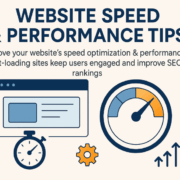
- Technical SEO: Improve your website’s technical aspects, such as site speed, mobile-friendliness, and secure connections (HTTPS). Ensure your website is easily crawlable by search engines by creating an XML sitemap and using proper URL structures.
- Link Building: Acquire high-quality backlinks from reputable websites to increase your site’s authority. Use strategies like guest blogging, influencer outreach, and creating shareable content to attract links.
Understanding PPC
What is PPC?
Pay-Per-Click (PPC) advertising involves paying for each click on your ads, which appear at the top of search engine results pages (SERPs) or on various platforms like social media. Google Ads is one of the most popular PPC platforms, allowing businesses to bid on keywords relevant to their products or services.

Top PPC Strategies
- Keyword Targeting: Conduct thorough keyword research to identify high-intent keywords that are relevant to your products or services. Use negative keywords to filter out irrelevant traffic and improve your ad spend efficiency.
- Compelling Ad Copy: Write engaging ad copy that captures the attention of your target audience and includes a clear call-to-action (CTA). Use ad extensions to provide additional information and increase click-through rates (CTR).
- Landing Page Optimization: Ensure that your landing pages are relevant to your ads and provide a seamless user experience. Optimize your landing pages for conversions by using clear CTAs, engaging visuals, and concise messaging.
- A/B Testing: Continuously test different ad variations to determine what works best. Experiment with different headlines, ad copy, images, and CTAs to optimize your campaigns for better performance.
- Remarketing: Use remarketing campaigns to re-engage users who have previously visited your website but did not convert. Tailor your ads to remind them of your offerings and encourage them to return and complete a purchase.


The Synergy Between SEO and PPC
While SEO and PPC can be effective on their own, combining them creates a powerful digital marketing strategy. Here’s how they work together to drive traffic and sales:
1. Increased Visibility
By using both SEO and PPC, you can dominate the search engine results pages (SERPs). Your business can appear in both the paid ads at the top and the organic listings below, increasing the chances of attracting clicks from users.
2. Data Sharing and Insights
PPC campaigns provide valuable data on keywords, ad copy, and user behavior. This information can be used to refine your SEO strategy. Similarly, SEO insights can inform your PPC campaigns, helping you to identify high-performing keywords and optimize ad spend.
3. Brand Authority and Trust
Appearing in both organic and paid search results enhances your brand’s credibility and trustworthiness. Users are more likely to trust and click on your website if they see your brand in multiple positions on the SERP.

4. Enhanced Click-Through Rates (CTR)
Studies have shown that having both a paid ad and an organic listing can increase the click-through rate (CTR) for your website. Users are more likely to click on your link if they see your brand in multiple positions on the SERP.
5. Comprehensive Keyword Coverage
PPC allows you to bid on a wide range of keywords, including those that are highly competitive and difficult to rank for organically. This ensures that you capture traffic from various search queries, maximizing your reach.

6. Remarketing Opportunities
PPC enables you to run remarketing campaigns, targeting users who have previously visited your website but did not convert. By combining this with SEO, you can re-engage these users with tailored ads, increasing the likelihood of conversions.
Implementing a Combined Strategy
Integrating SEO and PPC requires careful planning and execution. Here are some steps to implement a combined strategy effectively:
1. Conduct Comprehensive Keyword Research
Identify high-performing keywords for both SEO and PPC. Use tools like Google Keyword Planner, SEMrush, and Ahrefs to gather data on search volume, competition, and cost-per-click (CPC).
2. Optimize Your Website
Ensure your website is optimized for both SEO and PPC. This includes creating high-quality, keyword-rich content, improving site speed, ensuring mobile-friendliness, and setting up conversion tracking.

3. Create Compelling Ad Copy and Landing Pages
Develop engaging ad copy that aligns with your SEO content. Ensure that your landing pages provide a seamless user experience and encourage conversions.
4. Monitor and Adjust Campaigns for your PPC and SEO
Regularly review the performance of your SEO and PPC campaigns. Use analytics tools to track key metrics such as traffic, conversions, and ROI. Adjust your strategies based on the data to optimize performance.
5. Leverage Retargeting
Set up retargeting campaigns to re-engage users who have visited your site but did not convert. Use personalized ads to remind them of your offerings and encourage them to return.
SEO and PPC are both powerful digital marketing strategies that, when used together, can drive significant traffic and sales for your business. By integrating these strategies, you can enhance your online visibility, gain valuable insights, build brand authority, and achieve better results. At VantagePoint Marketing, we specialize in creating customized digital marketing plans that leverage the strengths of both SEO and PPC to help businesses succeed. Contact us today to learn more about how we can help you achieve your digital marketing goals and maximize your ROI.
Contact VantagePoint Marketing
Email: admin@vpointusa.com
Phone: 612-444-2211
Address: 118 East Main Street, Anoka, Minnesota 55303
© 2024 VantagePoint Marketing All Rights Reserved.