Conversion Rate Optimization: How to Turn More Website Visitors Into Leads
Published September 2026 by Author Jacqueline McGreevey
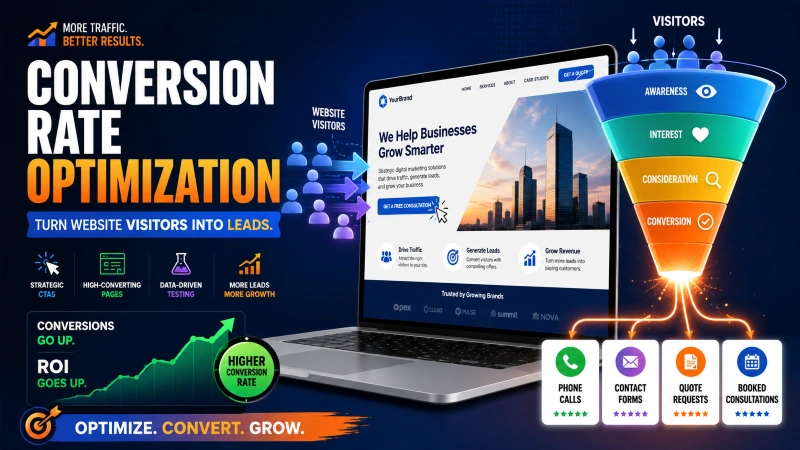
Conversion Rate Optimization helps businesses turn more existing website visitors into leads, calls, appointments, and customers. The process focuses on removing friction, improving calls to action, strengthening trust, and making each next step easier. Small businesses can often improve results without immediately increasing advertising or website traffic.
Frequently Asked Questions About Conversion Rate Optimization
What is Conversion Rate Optimization?
Conversion Rate Optimization improves website elements so more visitors complete valuable actions, such as calling, submitting forms, or requesting estimates.
What counts as a website conversion?
A conversion can include a phone call, form submission, purchase, appointment, download, quote request, or another important customer action.
Does a business need more website traffic before improving conversions?
No. Businesses can often generate more leads by improving how current visitors interact with the website.
What causes a low website conversion rate?
Common causes include unclear messaging, weak calls to action, slow pages, confusing navigation, long forms, and limited trust signals.
How does website design affect conversion rates?
Strong design guides visitors toward important information and next steps. Poor design creates hesitation and increases abandonment.
Can SEO and Conversion Rate Optimization work together?
Yes. SEO attracts relevant visitors, while conversion optimization helps those visitors take meaningful action after reaching the website.
How should small businesses measure conversions?
Track important actions in analytics, then compare conversion rates by page, traffic source, device, and marketing campaign.
More Website Traffic Does Not Always Mean More Leads
Many businesses assume they need more website traffic when leads begin slowing down. Sometimes that assumption is correct. However, the problem may exist after visitors reach the website. A website can attract qualified visitors and still lose them before they contact the business. They may struggle to find the right service. They may not understand what makes the company different. The contact process may require too much effort. Visitors may also leave because the website does not build enough trust. This is where Conversion Rate Optimization becomes especially valuable.
Conversion Rate Optimization Focuses on Customer Action
Conversion Rate Optimization looks at what visitors do after they reach your website. The goal is not simply to make the site look better. The goal is to make important customer actions easier. That could mean increasing phone calls. It could mean generating more contact form submissions. It may involve quote requests, appointments, purchases, or email signups. Every business should first identify which actions have meaningful value. Google Analytics calls important user actions key events. Businesses can track those actions and review which marketing channels contribute to them.
Google provides additional guidance through its official Google Analytics key events documentation.
Start With the Question Every Visitor Is Asking
Visitors arrive with a question, even when they never type it. They want to know whether your business can solve their problem. Your website should answer that question quickly. A visitor should understand what you do within seconds. They should also understand where you provide services. Most importantly, they should know what to do next. If those answers remain unclear, visitors often leave.
Strong Website Design + Hosting can create a clearer path from first impression to action.
What Can Prevent Website Visitors From Becoming Leads?
Small website problems can create surprisingly large conversion barriers. Many are easy to overlook because the business owner already understands the site.
| Conversion Barrier | What the Visitor Experiences | Possible Improvement |
|---|---|---|
| Unclear Headline | Visitors do not immediately understand the service | Use direct, customer-focused messaging |
| Weak Call to Action | Visitors do not know what to do next | Add clear and visible action buttons |
| Long Contact Form | Requesting information feels like too much work | Ask only for information you truly need |
| Slow Website | Visitors become frustrated before pages load | Improve speed, hosting, and image performance |
| Limited Trust Signals | Visitors feel unsure about the company | Add reviews, examples, credentials, and clear contact details |
| Confusing Navigation | Visitors cannot quickly find the right service | Simplify menus and strengthen internal links |
| Poor Mobile Experience | Buttons, text, or forms become difficult to use | Optimize the entire conversion path for mobile devices |
A Strong Call to Action Should Remove Uncertainty
A call to action should tell visitors exactly what happens next. Generic buttons like “Learn More” have a place. However, clearer wording often creates a stronger next step. Examples include “Request a Quote,” “Schedule a Consultation,” or “Get Your Free Website Review. ”The best choice depends on the visitor’s level of readiness. Someone researching may not be ready to request an estimate. That visitor may respond better to a useful guide or service page. Someone ready to hire needs a direct path toward contacting you.
Do Not Make Visitors Work Too Hard
Every extra step creates another opportunity for a visitor to leave. That does not mean every website should become extremely simple. It means the customer journey should feel logical. Important services should not hide several clicks deep. Phone numbers should work easily on mobile devices. Contact forms should avoid unnecessary questions. Visitors should not search through long paragraphs for basic information. Good conversion design removes avoidable friction.
Trust Can Be a Conversion Factor

People rarely contact a business solely because they found the right service page. They also need confidence in the company behind that page. Reviews can help establish that confidence. Project examples, team information, certifications, and clear contact details can also help. Professional branding influences trust too. Inconsistent colors, outdated imagery, and unclear messaging can make a business feel less established.
VantagePoint supports that connection through Logo Design + Brand Development.
“The very first web developer we had, from another company robbed us of money. Vantage point took great care of us. Built us a website that fit our budget. Love it! It’s Been going strong ever since!”
— Jill, 5-Star Google Review
Think About Mobile Conversion Separately
Mobile visitors do not always behave like desktop visitors. They may be searching while driving between appointments or handling another task. They often need faster answers. A phone number should be easy to tap. Forms should be short enough to complete comfortably. Buttons should not sit too close together. Important information should remain visible without excessive scrolling. A website can perform well overall while still losing valuable mobile leads.
Your Service Pages Should Help Visitors Make Decisions
Service pages should do more than describe what a business offers. They should answer the questions customers ask before contacting you. Explain who the service helps. Describe common situations where the service makes sense. Address common concerns when appropriate. Show why your company offers a strong solution. Then provide a clear next step. Helpful service content can also strengthen Search Engine & AI Optimization. SEO and conversion strategy work best when they support each other.
Traffic Quality Matters as Much as Conversion Rate
A poor conversion rate does not always mean the website needs major changes. Sometimes the wrong visitors are reaching the site. A business could rank for informational searches that rarely produce customers. Paid campaigns may also attract people outside the ideal service area. Some keywords may generate traffic without strong buying intent. This is why conversion data needs marketing context. Review traffic sources, search terms, landing pages, and lead quality together.
VantagePoint’s Marketing Analytics + Measurement services help connect website activity with broader business results.
Track Meaningful Actions Instead of Page Views Alone
Page views tell you that someone visited. They do not tell you whether the visit produced value. Businesses should identify actions that represent genuine progress toward a customer relationship. Those may include phone clicks, forms, purchases, appointments, or quote requests. Google Analytics can measure these important actions as key events. It can also show which pages and channels contribute to those actions. This provides more useful information than traffic totals alone.
Small Conversion Improvements Can Create Significant Results
Conversion improvements do not always require a complete website redesign. Small changes can sometimes remove meaningful barriers. A stronger headline may clarify the service immediately. A visible phone button may increase mobile calls. A shorter form may encourage more submissions. Better testimonials may reduce uncertainty. An improved service page may answer questions before a sales conversation begins. These improvements can help existing traffic work harder.
Do Not Change Everything at Once
One common mistake involves making numerous website changes simultaneously. That approach makes it difficult to understand what actually improved performance. Start with the highest-impact problem. Then monitor what happens. Review conversion data, lead quality, and customer behavior. Continue improving the website based on evidence rather than assumptions. This creates a more disciplined approach to optimization.
Conversion Rate Optimization Should Support the Entire Marketing Strategy
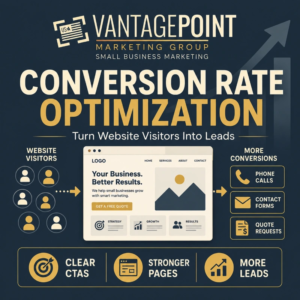
Conversion Rate Optimization works best as part of a broader marketing system. SEO brings relevant prospects to the website. Paid advertising creates another source of targeted traffic. Content answers questions and builds authority. Email can bring previous visitors and customers back. Conversion optimization helps those channels turn attention into action.
A coordinated Marketing Strategy + Planning process can help businesses connect those efforts.
Watch What Happens After the Lead Arrives
Website conversion does not represent the end of the customer journey. A form submission has little value if nobody responds quickly. A phone call may fail if the customer cannot reach someone. A poor follow-up process can waste strong marketing performance. Businesses should review the full path from website visit through customer follow-up. This can reveal problems that website analytics alone cannot identify.
Before Buying More Traffic, Improve What You Already Have
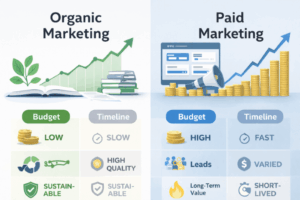
Increasing advertising can certainly generate more opportunities. However, sending more traffic toward a weak conversion path can waste money. Review your website before significantly increasing marketing spend. Make sure visitors can understand your business quickly. Confirm that calls to action remain visible. Test forms and mobile contact options. Review whether service pages answer important questions.
VantagePoint also offers Free Website Reviews that can identify common visibility and conversion gaps.
Turn More Website Visitors Into Real Opportunities
Your website should do more than attract visitors. It should help the right visitors become leads and customers. Conversion improvements often begin with simple questions.
Can visitors understand what you offer?
Do they trust your business?
Can they easily take the next step?
If any answer is unclear, your website may be leaving opportunities behind. VantagePoint Marketing helps small businesses connect website design, SEO, analytics, content, and conversion strategy.
Ready to find out where your website may be losing potential leads?
Contact VantagePoint Marketing to discuss your website, conversion goals, and opportunities for stronger results.