How to Add SEO into your Content Writing
In today’s digital landscape, simply writing great content isn’t enough. To stand out in search engine results and drive targeted traffic to your website, integrating SEO into your content writing is essential. This blog will guide you through key strategies to effectively add SEO into your content writing, ensuring your content not only resonates with your audience but also ranks well in search engines.
1. Conduct Comprehensive Keyword Research
Keyword research is the foundation of SEO content writing. Identifying the right keywords helps you understand what your audience is searching for and enables you to target relevant search queries.
- Use Keyword Research Tools: Utilize tools like Google Keyword Planner and Ahrefs to find keywords with high search volume and low competition.
- Long-Tail Keywords: Focus on long-tail keywords, which are more specific and often less competitive. SEMrush’s Blog offers valuable insights on the importance of long-tail keywords.
2. Incorporate Keywords Strategically

Once you have your keywords, the next step is to incorporate them into your content strategically:
- Title Tags and Meta Descriptions: Include your primary keywords in title tags and meta descriptions to enhance your content’s visibility in search results. Learn more about optimizing title tags and meta descriptions from Moz.
- Headings and Subheadings: Use keywords in headings (H1, H2, H3) to structure your content and make it easier for search engines to understand the main topics. Search Engine Journal provides guidance on effective use of headings.
- Body Content: Integrate keywords naturally within the body of your content. Avoid keyword stuffing, which can negatively impact readability and SEO. Neil Patel’s Blog offers tips on avoiding keyword stuffing.
3. Create High-Quality, Relevant Content

High-quality content is crucial for SEO success. It should be engaging, informative, and relevant to your target audience:
- Answer User Queries: Address the questions and concerns your audience has. Content that provides clear answers and valuable insights tends to rank better. Semrush provides excellent resources on creating valuable content.
- Content Length: Aim for comprehensive content that thoroughly covers the topic. Longer, in-depth articles often perform better in search engine rankings. Backlinko’s Guide offers insights on content length and SEO.
4. Optimize for On-Page SEO

On-page SEO elements play a significant role in how your content is indexed and ranked by search engines:
- Internal Linking: Include internal links to other relevant pages on your website. This helps search engines understand the structure of your site and keeps visitors engaged. Yoast offers tips on effective internal linking.
- Image Optimization: Use descriptive file names and alt text for images to improve visibility in image search results and enhance accessibility. HubSpot’s Guide provides advice on optimizing images for SEO.
- Mobile Optimization: Ensure your content is mobile-friendly. Google prioritizes mobile-first indexing, so responsive design is essential. Google’s Mobile-Friendly Test can help you evaluate your site’s mobile performance.
5. Utilize SEO-Friendly URLs

SEO-friendly URLs are concise and include relevant keywords:
- Descriptive URLs: Create URLs that accurately describe the content of the page and include primary keywords. Avoid using long strings of numbers or irrelevant characters. Moz’s Guide provides best practices for creating SEO-friendly URLs.
- Readability: Ensure URLs are easy to read and understand for both users and search engines. Short, descriptive URLs tend to perform better.
6. Focus on User Experience

User experience (UX) is a crucial factor in SEO:
- Engaging Content: Create content that is engaging and easy to read. Use bullet points, short paragraphs, and multimedia elements to enhance readability. Smashing Magazine discusses the importance of UX in content strategy.
- Page Load Speed: Optimize your website’s loading speed to reduce bounce rates. Faster-loading pages provide a better user experience and can positively impact SEO. Google PageSpeed Insights can help you analyze and improve page speed.
7. Leverage External Links and Backlinks
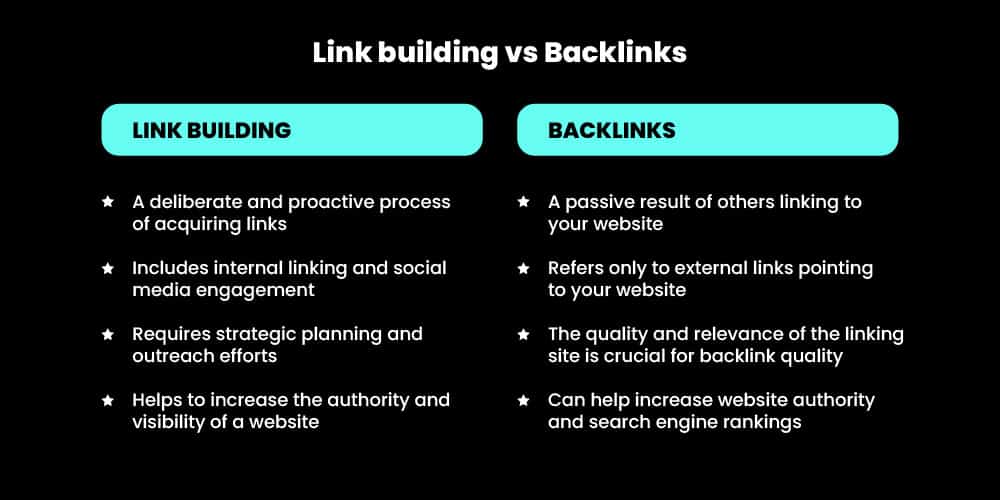
Building authority through backlinks is vital for SEO:
- External Links: Link to reputable sources within your content to provide additional value and context. Ensure that your sources are authoritative and relevant. Ahrefs’ Guide offers strategies for building high-quality backlinks.
- Backlinks: Aim to earn backlinks from authoritative sites in your industry. Quality backlinks signal to search engines that your content is trustworthy and valuable.
8. Monitor and Adjust Your SEO Strategy
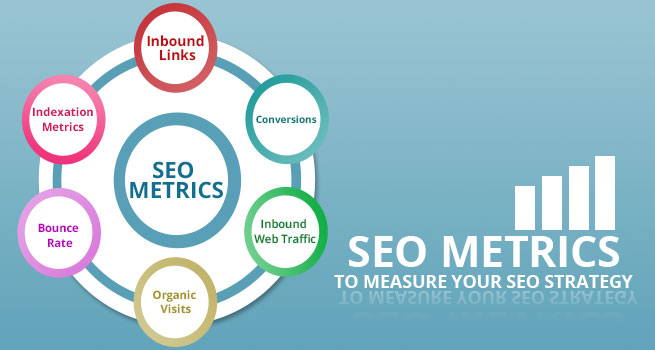
SEO is an ongoing process. Regularly monitor your content’s performance and adjust your strategy as needed:
- Analytics Tools: Use tools like Google Analytics and Google Search Console to track your content’s performance and identify areas for improvement.
- A/B Testing: Conduct A/B testing on different content elements (e.g., headlines, CTAs) to determine what resonates best with your audience. Optimizely offers tools for A/B testing and optimization.
By integrating these SEO practices into your content writing, you can enhance your content’s visibility, drive targeted traffic, and improve overall engagement. Consistent optimization and strategic content creation will help you achieve better search engine rankings and establish a stronger online presence for your business.

© 2024 VantagePoint Marketing Group. All Rights Reserved.