What Are The 5 Stages of Brand Recognition?
In the bustling marketplace of our modern world, building a brand isn’t just about crafting a catchy name and flashy logo. It’s about forging a bond, a connection with consumers that transcends the mere act of selling and buying. One of the most critical aspects of that connection is brand recognition, the journey consumers take from initial awareness to unwavering loyalty. Understanding these stages and nurturing them strategically is crucial for any brand seeking to thrive.
Stage 1: Awareness – Planting the Seed

This is the first hurdle every brand must overcome. It’s about getting your name out there, planting a seed in the minds of potential customers. At this stage, consumers may not know much about your product or service, but they’ve encountered it somehow. This could be through:
- Marketing: Traditional advertising, social media campaigns, influencer partnerships, etc.
- Public Relations: Engaging media coverage, sponsorships, community events.
- Customer Interactions: Word-of-mouth recommendations, positive reviews, customer service experiences.
The goal here is to create exposure, not necessarily deep impressions. Aim for frequency and consistency – let your brand name become familiar, a recurring presence in consumers’ daily lives.
Example: You see a new clothing brand advertised on a billboard while driving to work. The name sticks in your mind, but you haven’t explored their designs yet.
Stage 2: Preference – Blossoming Differentiation

As your brand becomes more familiar, it starts to compete for space in consumers’ minds alongside established options. This is where differentiation becomes crucial. Why should a customer choose you over the competition?
It could be:
- Value proposition: A unique selling point that sets you apart. Are you more affordable, ethically sourced, sustainable?
- Brand personality: A distinct and relatable persona that resonates with your target audience. Are you adventurous, edgy, family-friendly?
- Customer experience: Seamless online shopping, efficient delivery, excellent customer service builds trust and preference.
When consumers actively choose your brand over others, you’ve achieved preference. It’s a significant step, as it indicates brand trust is beginning to solidify.
Example: You’re looking for a new pair of sneakers. You remember the brand from the billboard and are drawn to their commitment to using recycled materials in their production. You decide to give them a try.
Stage 3: Reputation – Whispers of Credibility

Now comes the stage where your brand builds a story, an aura of credibility and reliability. Word-of-mouth becomes paramount. Positive reviews, social media mentions, and organic recommendations solidify your reputation as a trustworthy choice.
Focus on:
- Consistent quality: Delivering exceptional products or services every time reinforces the positive impression.
- Customer engagement: Responding to comments, answering questions promptly, and actively participating in online conversations builds community and trust.
- Social responsibility: Supporting local causes, advocating for positive change, and aligning with meaningful partnerships creates a positive reputation beyond transactions.
A strong reputation positions your brand as a respected entity, not just a seller of goods or services.
Example: You love your new sneakers – they’re comfortable, stylish, and ethically made. You post a picture online and friends start asking about the brand. You happily recommend them, sharing your positive experience.
Stage 4: Trust – Roots of Loyalty
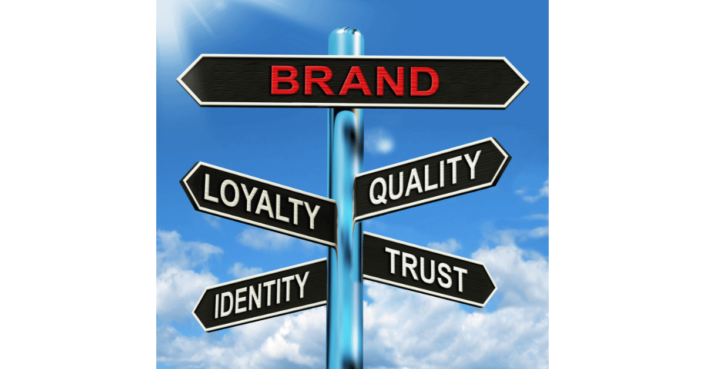
This is the stage where loyal fans are born. Customers trust your brand implicitly, believing in its values, purpose, and mission. They become vocal advocates, recommending you to others and defending your reputation.
Nurturing trust involves:
- Authenticity: Transparency in communication, genuine engagement with customers, and aligning your actions with your values fosters genuine connection.
- Reliability: Consistently delivering on promises, exceeding expectations, and standing by your customers in times of need builds unwavering trust.
- Personalization: Going beyond transactions and treating customers as individuals with unique needs and preferences reinforces loyalty.
With trust comes an emotional connection, a sense of belonging to a community built around your brand.
Example: You’ve become a brand ambassador for the shoes, telling everyone about their quality and ethical practices. You attend exclusive events they host and actively participate in their online community.
Stage 5: Loyalty – Blossoming into Champions
The pinnacle of brand recognition is unwavering loyalty. Consumers become brand champions, actively promoting your brand, defending its image, and choosing it without hesitation. They’re invested in your success, feeling a sense of ownership and connection that transcends mere transactions.
Loyalty thrives on:
- Constant innovation with new products, services, and experiences keeps customers engaged and excited.
- Emphasize personalized interactions and solutions.
- Prioritize convenience and ease of doing business.
- Focus on exceeding customer expectations and resolving issues promptly.
- Deliver consistent quality and value proposition.
- Communicate openly and transparently about products, services, and changes.
Remember, building brand loyalty is an ongoing process that requires consistent effort and dedication. By focusing on these key elements and tailoring your approach to your specific target audience, you can create a loyal customer base that drives long-term success for your business.

© 2024 VantagePoint Marketing Group. All Rights Reserved.