The What, Why, When and How of On Trend Tracking
In an ever-evolving business landscape, staying ahead of trends is crucial for success. The ability to monitor and adapt to emerging trends can set your business apart from the competition. In this article, we will explore the what, why, when, and how of on-trend tracking, laying the foundation for a series of deeper dives into specific aspects of trend tracking throughout October.
Types of Trends to Track
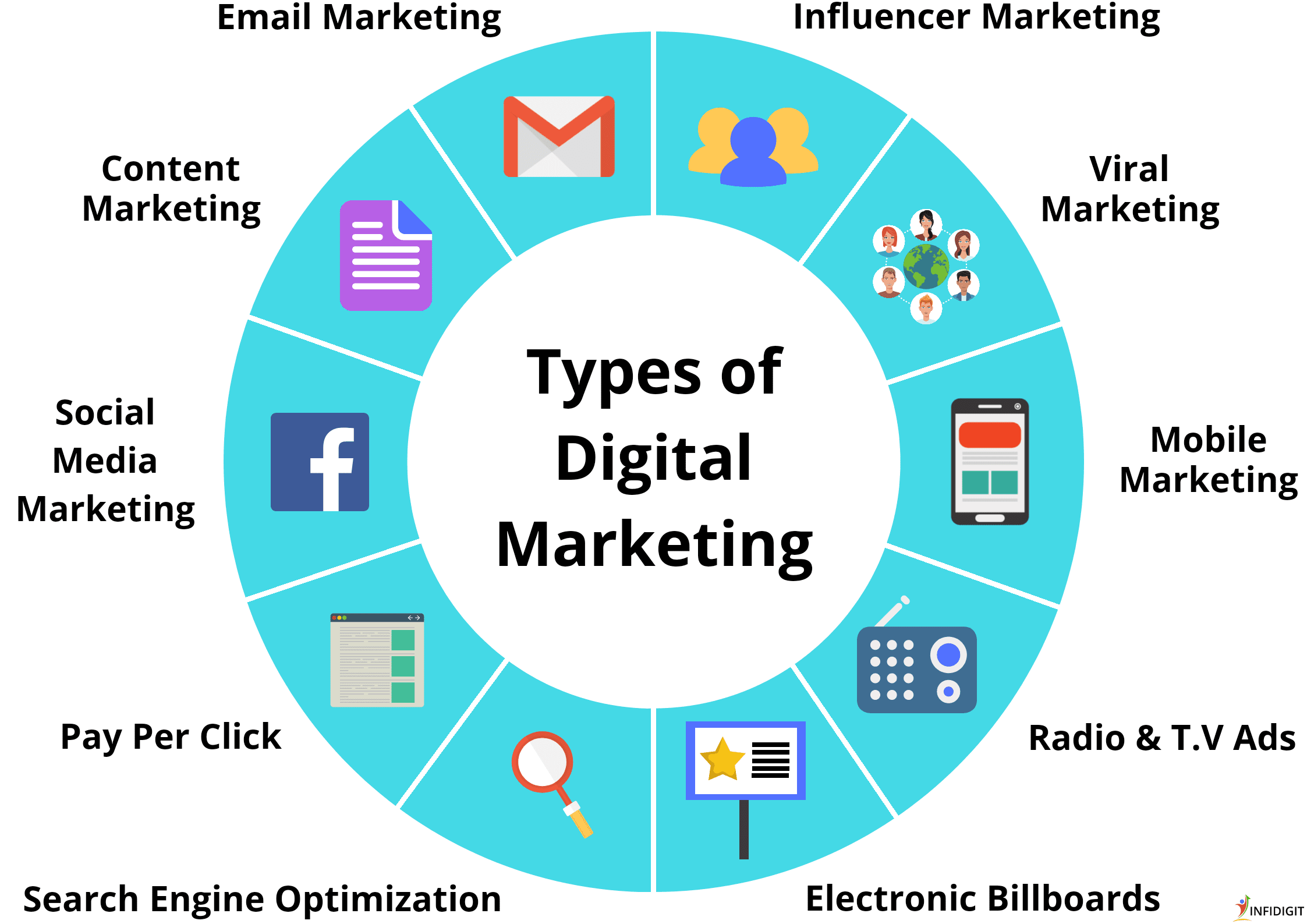
types of digital marketing trends to track
When it comes to tracking trends, businesses should focus on several key types that can significantly impact their strategies and operations. Market Trends reflect changes in consumer preferences and buying behaviors, offering insights into what products or services are gaining popularity. Technological Trends encompass advancements in technology that could affect your industry, such as automation, artificial intelligence, or new communication tools. Social Trends involve shifts in societal attitudes and values, which can influence consumer behavior and brand perception; for instance, the rising demand for sustainability and ethical practices. Additionally, Industry-Specific Trends provide insights tailored to your particular market, such as regulatory changes or competitive dynamics. By keeping a close eye on these diverse trends, businesses can make informed decisions, adapt their offerings, and stay ahead of the competition.
Tools and Techniques for Trend Tracking
To track trends effectively, businesses can use various tools and techniques. Social media monitoring tools like Hootsuite and Sprout Social help track conversations across platforms. These tools provide insights into consumer preferences and emerging trends. Google Trends is valuable for analyzing search queries and revealing patterns in consumer interest. For comprehensive market analysis, tools like Statista and Nielsen offer reports on industry trends and consumer behavior. Additionally, web analytics tools like Google Analytics provide insights into user interactions, helping identify shifts in behavior. Finally, using surveys and feedback tools, such as SurveyMonkey or Typeform, allows businesses to gather direct input from their audience. Integrating these tools creates a robust trend-tracking framework for informed decision-making
Best Practices for When to Track Trends
Effective trend tracking requires strategic timing to respond to market changes. Regular quarterly reviews are a best practice, allowing companies to assess trends and adjust strategies. Monitoring trends before launching new products or marketing campaigns is critical. Understanding current consumer interests helps businesses tailor their offerings for maximum impact. Post-campaign analysis is also important; it provides insights into what worked and what needs improvement. Additionally, businesses should remain vigilant during key industry events or economic shifts. These moments can signal significant changes in consumer behavior. By establishing a structured approach to when to track trends, organizations can remain agile and competitive in a rapidly evolving landscape..
Identifying Critical Moments For Trend Analysis
Identifying critical moments for trend analysis is essential for staying competitive. Key moments often include seasonal shifts, such as holiday shopping or back-to-school periods. These times can lead to significant changes in consumer behavior. Major industry events, like product launches or trade shows, are also pivotal for tracking emerging trends. Businesses should watch for cultural phenomena and global events, such as public health crises or social movements. These can drastically alter consumer priorities. Additionally, internal milestones, such as quarterly earnings reports, can act as checkpoints for assessing brand alignment with current trends. By proactively identifying these moments, organizations can refine their strategies and capitalize on new opportunities.
Implementing Changes Based on Trends

Implementing Changes Based on Trends
Implementing changes based on identified trends is crucial for businesses aiming to maintain relevance and competitiveness in a dynamic market. Once trends have been monitored and analyzed, organizations should take decisive action by integrating these insights into their strategic planning and operations. This may involve adapting product offerings to better align with consumer preferences, such as introducing sustainable materials or enhancing features based on user feedback.
Additionally, businesses can refine marketing strategies to resonate more effectively with their target audience, using tailored messaging and channels that reflect current trends. Training and development for employees may also be necessary to equip teams with the skills needed to navigate new technologies or processes introduced as a result of trend analysis. Furthermore, continuously evaluating the effectiveness of these changes through performance metrics ensures that organizations remain agile, allowing for ongoing adjustments as trends evolve. By proactively implementing changes based on trends, businesses can not only meet customer expectations but also position themselves as leaders in their industry.
What is On Trend Tracking?
On trend tracking refers to the systematic observation and analysis of trends within your industry, market, and audience behavior. This process involves identifying significant changes in consumer preferences, technological advancements, and industry movements that could impact your business.
According to Forbes, effective trend tracking can help businesses make informed decisions and innovate proactively rather than reactively.
Why is On Trend Tracking Important?
Tracking trends is essential for several reasons:
- Staying Competitive: Understanding market trends allows businesses to adapt their strategies, ensuring they remain competitive in a rapidly changing environment.
- Enhancing Customer Insights: Monitoring trends provides insights into customer preferences and behaviors, enabling businesses to tailor their offerings more effectively.
- Identifying Opportunities: Recognizing emerging trends can help businesses capitalize on new opportunities and innovate their products or services.
For more insights into the importance of trend tracking, visit Harvard Business Review.
When Should You Track Trends?
Monitoring trends should be a continuous process, but certain periods are particularly important:
- Quarterly Reviews: Conduct a thorough analysis of trends at the end of each quarter to adjust your strategies accordingly.
- Before Major Campaigns: Track trends leading up to product launches or marketing campaigns to ensure your messaging is aligned with current consumer interests.
- Post-Campaign Analysis: After executing a campaign, analyze its performance in relation to trends to identify areas for improvement.
For detailed advice on tracking timing, refer to McKinsey & Company.
How to Track Trends Effectively
1. Tools and Techniques for Trend Tracking
Utilizing the right tools is critical for effective trend tracking. Some popular tools include:
- Google Trends: Analyze search trends and consumer behavior over time.
- Social Media Analytics: Tools like Sprout Social and Hootsuite help monitor conversations and sentiments across social platforms.
- Market Research Platforms: Use platforms like Statista and Nielsen for comprehensive market reports.
2. Best Practices for Trend Tracking
Implementing best practices will enhance your trend tracking efforts:
- Set Clear Objectives: Define what you want to achieve through trend tracking.
- Regularly Update Your Data: Trends can change rapidly; ensure that your data is current and relevant.
- Involve Cross-Functional Teams: Collaborate with marketing, sales, and product teams to gain diverse insights into trends.
For more information on tools and techniques for trend tracking, check out the EWR Digital article on trend tracking.
Tracking trends is a vital aspect of modern business strategy that helps organizations stay competitive and responsive to changing market conditions. In this article, we explored the what, why, when, and how of on-trend tracking. As we move forward in our series, we will dive deeper into specific subtopics, including the types of trends to track and the tools and techniques for effective trend analysis.
Stay tuned for our upcoming posts as we continue to provide valuable insights into leveraging trends for business growth! For more insights on digital marketing strategies, visit VantagePoint Marketing Group, or call us at 612.444.2211 or stop in and visit the team!