Subtopic: Types of Trends to Track
In the digital age, staying competitive requires a keen understanding of various trends. Tracking trends helps businesses adapt to changes and seize new opportunities. This post will explore the types of trends to track, linking to our main article on The What, Why, When and How of On Trend Tracking.
1. Market Trends
Market trends reflect changes in consumer preferences and behaviors. They reveal which products or services are gaining popularity. According to a report by Gartner, understanding market trends is essential for long-term business success.
2. Technological Trends
Technological advancements can significantly impact industries. Keeping an eye on innovations such as automation and artificial intelligence is crucial. A study by PwC found that 72% of business leaders believe AI will be a business advantage.
3. Social Trends

Social trends involve shifts in societal values and consumer attitudes. They can influence how brands are perceived and how products are marketed. The growing demand for sustainability illustrates how social trends can shape consumer behavior. A study by Nielsen shows that 66% of global consumers are willing to pay more for sustainable brands.
4. Consumer Behavior Trends
Understanding consumer behavior is vital for any business. This includes analyzing how people make purchasing decisions and what influences them. Research by Salesforce highlights the importance of customer feedback in shaping products and services.
5. Industry-Specific Trends
Industry-specific trends provide tailored insights into your market. This includes understanding regulatory changes, competitive dynamics, and technological innovations. Following these trends helps businesses stay compliant and competitive. The IBISWorld offers detailed industry reports that can aid in trend tracking.
6. Emerging Social Media Trends
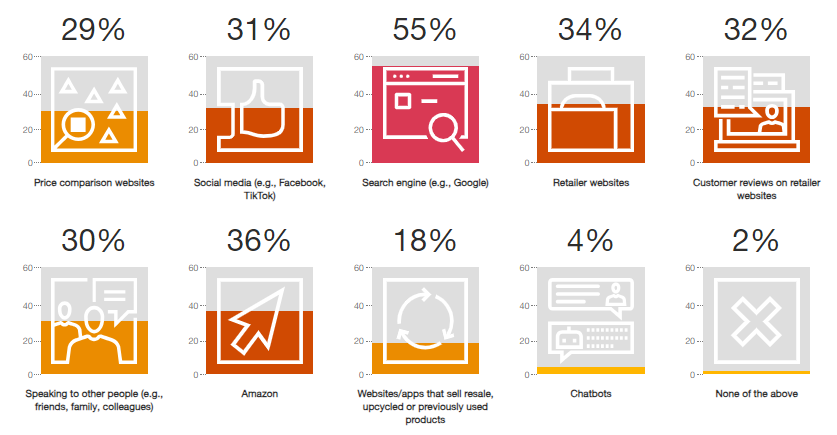
Social media trends are crucial for businesses aiming to connect with their audience. Monitoring platforms like Instagram, TikTok, and Twitter can reveal what’s popular. Tools like Sprout Social can help track engagement and sentiment on these platforms. A study by Statista indicates that social media users are more likely to engage with brands that leverage current trends.
Tracking various types of trends is essential for businesses looking to stay competitive. Understanding market trends, technological advancements, and social changes can guide decision-making. By monitoring emerging social media trends and consumer behaviors, businesses can adapt and thrive in the ever-evolving digital landscape.
Supporting Reference Links
- Gartner on Marketing Trends: Gartner
- PwC on AI Business Advantage: PwC
- Nielsen Global Sustainability Report: Nielsen
- Salesforce on Consumer Behavior: Salesforce
- IBISWorld Industry Reports: IBISWorld
- Sprout Social for Social Media Tracking: Sprout Social
- Statista on Global Social Networks: Statista
For more insights into digital trend tracking, refer to our main article on The What, Why, When and How of On Trend Tracking. In our next post we will go deeper into the types of trend tools and techniques to be using. Also favorite our blog page or requests updates to follow our continuation through the month of October for all things trending!