Subtopic: Identifying Critical Moments For Trend Analysis
In today’s fast-paced market, knowing when to track trends is just as important as understanding what to track. Effective trend tracking allows businesses to respond proactively to changes and stay competitive. This is the 5th article of the series that delves into best practices for tracking trends, linking back to our pillar page: The What, Why, When and How of On Trend Tracking.
Best Practices for When to Track Trends
1. Conduct Regular Quarterly Reviews
Quarterly reviews provide structured opportunities to assess market trends and consumer behavior. These reviews help businesses adjust their strategies effectively.
A study by Business.com emphasizes the importance of regular assessments in adapting marketing strategies.
2. Monitor Trends Before Major Campaigns
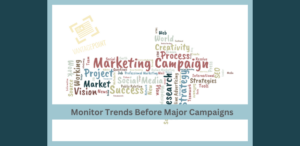
Understanding trends before launching new products or marketing campaigns is critical. This ensures your messaging aligns with current consumer interests.
According to research by Forbes, pre-campaign trend analysis can enhance campaign effectiveness.
3. Analyze Post-Campaign Performance
After a campaign, assess its performance in relation to tracked trends. This analysis helps identify what worked and what needs improvement.
Research from HubSpot indicates that businesses that analyze post-campaign data can increase future campaign success rates.
4. Stay Vigilant During Key Industry Events

Industry events, such as trade shows or product launches, are crucial moments for tracking trends. These events often signal shifts in consumer behavior.
A report by Eventbrite highlights the significance of these moments in understanding market dynamics.
5. Monitor Economic Changes
Economic fluctuations can significantly impact consumer behavior and trends. Stay informed about economic indicators to anticipate changes in consumer spending.
The McKinsey Global Institute provides valuable insights into how economic conditions influence consumer trends.
6. Identify Seasonal Trends
Seasonal trends can affect purchasing decisions significantly. Tracking these trends helps businesses prepare for peak seasons and adjust inventory accordingly.
Research by Shopify emphasizes the impact of seasonal trends on sales and marketing strategies.
Knowing when to track trends is vital for businesses aiming to remain competitive. By conducting regular reviews, monitoring pre- and post-campaign performances, and staying aware of industry and economic changes, organizations can effectively adapt their strategies. Tracking seasonal trends also ensures that businesses are prepared for peak times. Stay tuned for our next article, where we will explore identifying critical moments for trend analysis!