Understanding SEO (Search Engine Optimization)
What SEO Is and How It Works
If you’re new to digital marketing, it’s important to understand what SEO is and how it works. SEO stands for Search Engine Optimization, which refers to the process of improving a website’s visibility in search engine results like Google. The goal is to attract more organic (non-paid) traffic by aligning your content and site structure with what search engines and users want.
In this blog, you’ll learn how SEO works, why it matters, and the core elements involved in ranking higher on search engines. You’ll also gain insight into on-page SEO, off-page SEO, technical SEO, and how modern search algorithms determine visibility. This is a must-read for any business looking to improve its digital presence.
For additional insights and digital strategy tools, visit our blog post page or explore our digital marketing services.
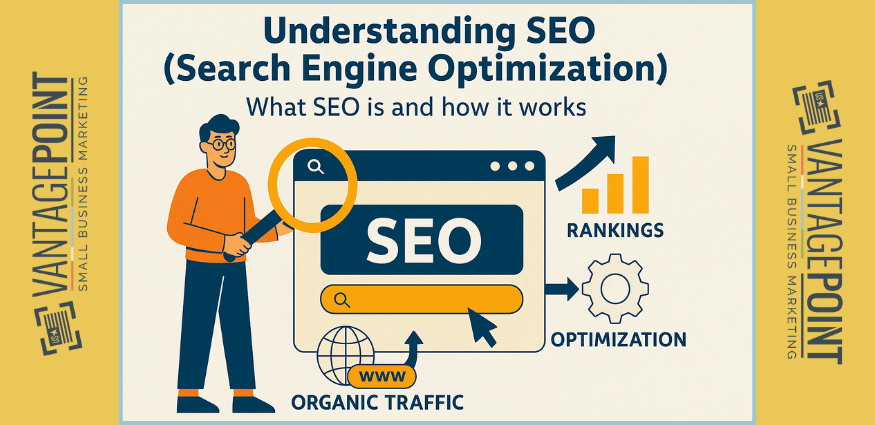
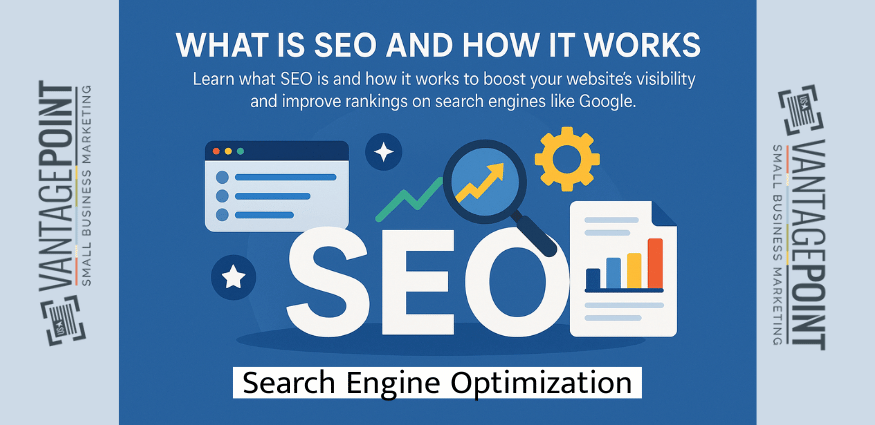
Illustration: How SEO Works to Boost Website Visibility and Organic Search Rankings
Why SEO Matters in Today’s Digital Market
SEO is one of the most cost-effective and impactful marketing strategies. When your site ranks high in search results, you gain visibility and trust.
- Higher Search Rankings: The top results receive the majority of clicks.
- Increased Organic Traffic: SEO draws users actively searching for what you offer.
- Brand Credibility: Ranking well improves user confidence in your brand.
- Long-Term ROI: SEO efforts compound over time for sustained growth.
According to Moz, SEO helps businesses drive qualified traffic and leads without the recurring costs of paid advertising.
How SEO Works: Core Components Explained
SEO consists of three main areas: on-page SEO, off-page SEO, and technical SEO. Each area plays a unique role in boosting visibility.
1. On-Page SEO
On-page SEO includes optimizing individual pages with relevant keywords, strong meta titles, headers, image alt text, and internal links. Creating high-quality, helpful content is critical for user engagement and rankings.
2. Off-Page SEO
Off-page SEO refers to external signals like backlinks from other websites. These links act as votes of confidence and help boost authority. Active social media engagement and business citations also contribute.
3. Technical SEO
This involves improving the infrastructure of your website. Mobile responsiveness, site speed, secure browsing (HTTPS), and crawlability are essential for indexing and user experience.
4. Content Relevance and Search Intent
Google’s algorithms now focus heavily on how well your content answers a user’s question. Creating content around intent and using semantic keywords is key.
Learn more about algorithm updates and search signals from Search Engine Land.
How to Begin Improving SEO
SEO isn’t a one-time task—it’s an ongoing strategy. Start small and grow your efforts with these initial steps:
- Run a site audit to check for technical issues.
- Research keywords your audience uses.
- Update meta tags and headers on key pages.
- Write high-quality content with a clear focus.
- Request backlinks from reputable sources in your industry.
Consider working with an SEO professional to avoid costly mistakes and get results faster. Contact us today to learn how VantagePoint can help.
Understand What SEO Is and How It Works to Grow Your Business
Understanding what SEO is and how it works can empower your business to reach more people, grow organically, and establish a trusted online presence. By investing in on-page, off-page, and technical SEO, your business can stand out in a crowded digital market.
Ready to take the next step? Visit our services page or get in touch with our team today.
Stay informed on digital marketing fundamentals by exploring more articles at the VantagePoint Marketing Blog.
 Published by VantagePoint Marketing Group | May 2025