
Subtopic: Brand Identity and Visual Guidelines
What is Brand Identity and Why It Matters?
Brand identity is the collection of visual and messaging elements that define how a business presents itself to the world. It includes logos, colors, typography, and tone of voice, ensuring consistency across all marketing materials. A strong brand identity builds recognition, trust, and credibility.
According to Campaign Monitor, businesses with consistent branding experience up to 33% higher revenue growth than those without.
For a broader look at brand development, read our Pillar Page: Build Your Brand Identity. We will continue blogs this month with focus on various aspects of brand development.
Key Elements of a Strong Brand Identity
A well-crafted brand identity incorporates multiple elements that work together to create a cohesive brand experience.

1. Logo Design
Your logo is the most recognizable element of your brand. It should be simple, memorable, and reflect your company’s values. A well-designed logo is scalable and versatile across various platforms.
2. Color Palette
Colors evoke emotions and influence perceptions. Choose a primary and secondary color palette that aligns with your brand’s personality and use it consistently.
3. Typography
Fonts contribute to your brand’s voice and readability. Select 1-2 primary typefaces that reflect your brand’s tone—professional, playful, elegant, or bold.
4. Imagery and Graphics
Visual consistency extends to the types of images, icons, and graphics you use. Define a style that best represents your brand’s aesthetic.
Developing Visual Guidelines for Consistency
Visual guidelines ensure that every piece of marketing material follows the same structure, reinforcing your brand identity. They provide rules for how your logo, colors, fonts, and imagery should be used.
According to 99Designs, brands with documented style guidelines maintain stronger customer loyalty and brand recall.
1. Logo Usage Rules
Define acceptable variations of your logo, including full-color, monochrome, and icon-only versions. Provide spacing and sizing requirements to prevent distortion.
2. Color Usage Guide
Specify primary and secondary brand colors along with HEX, RGB, and CMYK codes. Include background contrast recommendations to maintain visual clarity.
3. Typography Hierarchy
Outline the primary and secondary fonts for headings, subheadings, and body text. Include spacing and alignment guidelines for a consistent look.
4. Image and Illustration Guidelines
Define the style of photos, illustrations, and icons that align with your brand. Ensure images reflect your brand’s personality and maintain a uniform tone.
Implementing and Maintaining Your Brand Identity
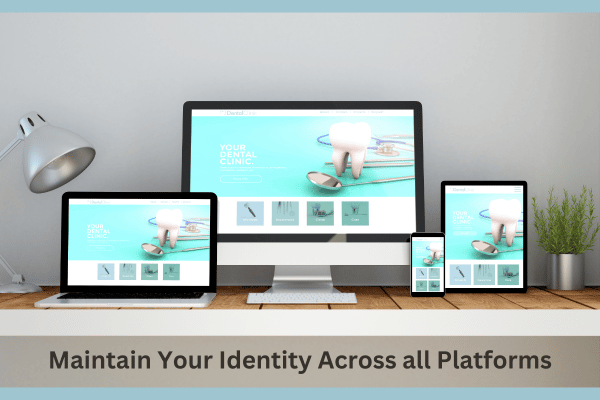
Once brand identity and visual guidelines are established, it’s crucial to maintain consistency across all marketing channels.
- Apply Guidelines Across Platforms: Ensure your website, social media, emails, and print materials follow the same branding rules.
- Train Your Team: Educate employees and marketing partners on brand guidelines to maintain consistency.
- Monitor Brand Use: Regularly review materials to ensure alignment with established guidelines.
Strengthen Your Brand Identity with Visual Guidelines
A strong brand identity is the foundation of successful brand development. By implementing clear visual guidelines, businesses can create consistency, enhance recognition, and build lasting trust with their audience.
Need help refining your brand identity? Contact VantagePoint Marketing Group today for expert branding and marketing services.
Strengthen your brand identity with VantagePoint Marketing Group. Learn more at VantagePoint Marketing. Stay tuned for the upcoming blogs this month continuing our focus on Brand Development!
 Published by VantagePoint Marketing Group | February 2025