Subtopic: Evaluating Customer Perception
Understanding Customer Perception: Why It Matters
Evaluating customer perception helps businesses understand how their brand is viewed by their audience. It provides insights into customer expectations, trust levels, and areas for improvement. Without evaluating customer perception, businesses risk losing engagement, credibility, and competitive advantage.
In this article, you will learn how to assess customer sentiment, track brand reputation, and implement strategies to enhance perception. We will explore customer feedback methods, digital tools for analysis, and best practices for responding to insights.
For a comprehensive guide to brand development, explore our Pillar Page: Build Your Brand Identity and our in-depth discussion on brand identity and visual guidelines.
What Factors Influence Customer Perception?

Customer perception is shaped by multiple factors, including brand messaging, product quality, customer service, and online presence.
1. Brand Messaging and Communication
Clear and consistent messaging builds trust. Misalignment between a brand’s message and its actions can harm customer perception.
2. Customer Experience
Positive interactions—whether online, in-store, or through customer support—significantly impact brand reputation and customer satisfaction.
3. Online Reviews and Social Media Presence
Customer testimonials, online ratings, and brand engagement on social platforms influence how others perceive a company.
4. Product and Service Quality
Consistently delivering high-quality products and services fosters customer loyalty and positive brand sentiment.
Methods for Evaluating Customer Perception
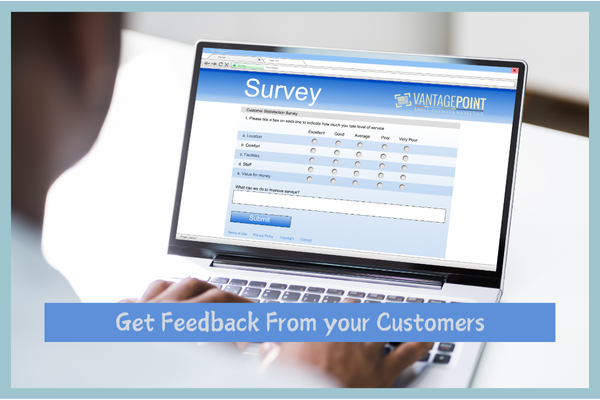
Businesses must track and analyze customer sentiment to make informed brand improvements.
1. Conduct Customer Surveys
Surveys provide direct feedback on customer satisfaction and expectations. Tools like SurveyMonkey help create targeted surveys to assess brand perception.
2. Analyze Online Reviews
Monitoring reviews on platforms like Google, Yelp, and Trustpilot provides insight into customer satisfaction and areas for growth.
3. Track Social Media Sentiment
Social listening tools such as Brandwatch analyze customer discussions, mentions, and brand sentiment across digital platforms.
4. Evaluate Net Promoter Score (NPS)
NPS measures customer loyalty by asking how likely they are to recommend a brand. A high score indicates strong customer satisfaction and trust.
Improving Customer Perception
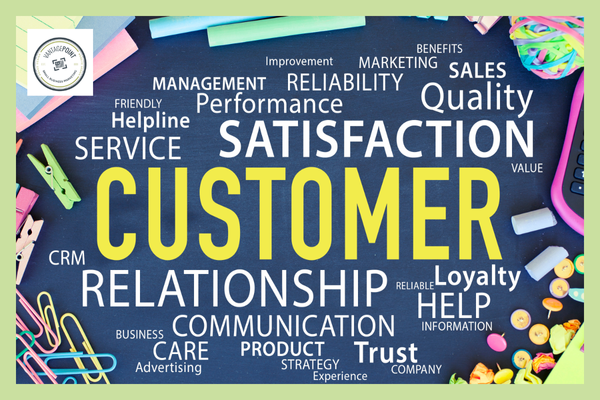
Once businesses gather customer perception data, they can take strategic steps to enhance brand reputation and customer trust.
- Respond to Customer Feedback: Acknowledge concerns, offer solutions, and engage customers in a meaningful way.
- Improve Brand Messaging: Align messaging with customer expectations and reinforce brand values.
- Strengthen Customer Support: Ensure quick response times, personalized assistance, and proactive engagement.
- Enhance Product and Service Quality: Continuously refine offerings based on customer insights.
Measuring the Success of Brand Perception Strategies
Businesses should track brand perception improvements through key performance indicators (KPIs).
- Customer Retention Rate: An increase in returning customers indicates stronger brand trust.
- Social Engagement Metrics: Higher engagement rates suggest positive customer sentiment.
- Review Score Improvement: An upward trend in ratings signifies better customer experiences.
- Increase in Referral Business: More word-of-mouth recommendations show stronger brand advocacy.
Conclusion: Strengthen Your Brand by Evaluating Customer Perception
Evaluating customer perception allows businesses to refine messaging, improve customer experiences, and enhance brand reputation. By using surveys, online review analysis, and social listening tools, companies can gain valuable insights and take proactive steps to strengthen brand identity.
Need help optimizing your brand perception strategy? Contact VantagePoint Marketing Group today.
Explore more insights on brand perception and customer engagement at VantagePoint Marketing.

Published by VantagePoint Marketing Group | February 2025