Intro to Pay-Per-Click (PPC) Advertising (Organic vs Paid Marketing)
⭐️⭐️⭐️⭐️⭐️ 5-Star Review
“VantagePoint’s strategy helped us balance PPC and organic marketing perfectly. Our traffic and leads have never been better!” — Satisfied Client
What You’ll Learn in This Article
This article explains the key differences between PPC vs Organic Marketing. You’ll learn how each works, their pros and cons, and when to use them. We’ll provide actionable tips to help you build a balanced digital strategy that maximizes both short-term and long-term results.
Explore more digital strategies on our blog or view our services for expert help.
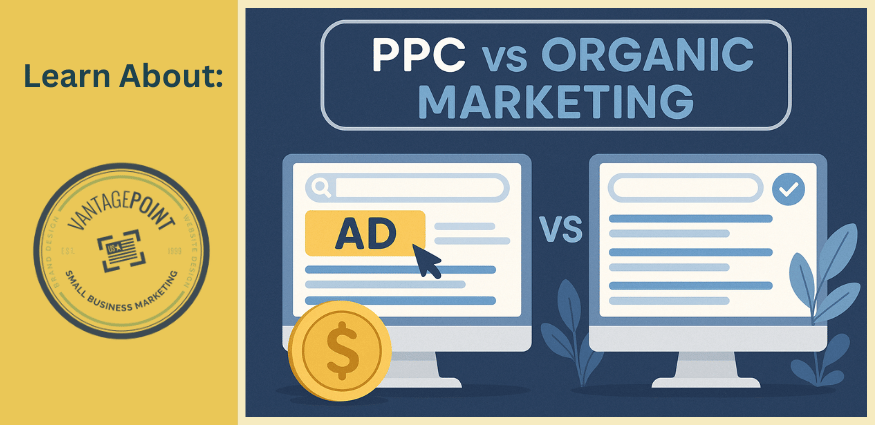
What Is the Difference Between PPC vs Organic Marketing?
Understanding PPC vs Organic Marketing is essential for building an effective digital marketing strategy. Both methods aim to increase visibility, but they work very differently.
According to WordStream, PPC delivers instant visibility through paid ads, while organic marketing builds long-term visibility through SEO and content marketing.
How PPC Marketing Works
PPC, or Pay-Per-Click advertising, places your ad at the top of search results or on partner sites. You pay every time someone clicks your ad.
- Fast Results: Immediate traffic and visibility.
- Targeted Reach: Focus on specific audiences by location, interests, or search terms.
- Budget Control: Set daily or monthly limits on ad spend.
- Short-Term Strategy: Traffic stops when you stop paying.
How Organic Marketing Works
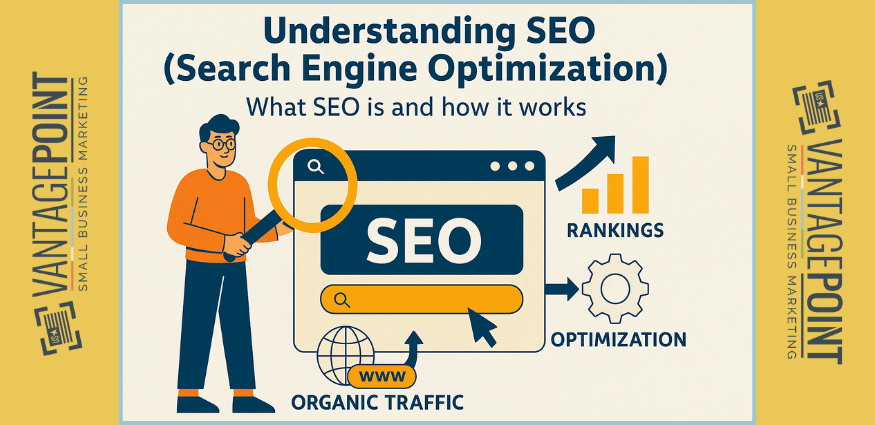
Organic marketing builds visibility through unpaid methods like SEO, blogging, and social media engagement. It takes longer but delivers lasting results.
- Long-Term Growth: Build authority and trust over time.
- Cost-Effective: No direct cost per click, but requires time and effort.
- Sustainable Traffic: Content continues to generate leads over time.
- SEO Focused: Optimizing content to rank on search engines.
Pros and Cons of PPC vs Organic Marketing
Both methods have strengths and limitations. A balanced strategy uses both to maximize results.
Pros of PPC
- Quick visibility and traffic.
- Highly targeted audience reach.
- Easy to track and measure.
Cons of PPC
- Costs can add up quickly.
- Traffic stops when budget runs out.
Pros of Organic Marketing
- Long-term traffic growth.
- Builds brand trust and authority.
- Cost-effective over time.
Cons of Organic Marketing
- Requires patience and consistency.
- Algorithm changes can impact rankings.
Learn more about the value of organic marketing from Moz’s SEO Guide.
How to Balance PPC and Organic Marketing
A successful digital marketing strategy often uses both PPC and organic methods. Here’s how to combine them effectively:
- Use PPC for immediate visibility or time-sensitive promotions.
- Invest in SEO for long-term growth and authority.
- Monitor results and adjust budgets based on performance.
- Use data from PPC to improve your organic content strategy.
Need expert guidance? Contact VantagePoint Marketing Group for a custom digital marketing strategy.
Which Is Better—PPC or Organic Marketing?
Both PPC and organic marketing play important roles in driving business growth. PPC delivers quick wins, while organic marketing builds lasting visibility. Understanding the strengths of each allows you to build a strategy that maximizes both short-term and long-term success.
Explore our services or reach out via our contact page to get started with your balanced marketing strategy.
Learn more digital marketing strategies by visiting the VantagePoint Marketing Blog.
Published by VantagePoint Marketing Group | May 2025
Jacqueline McGreevey