Why is SEO content Writing Important?
In the digital age, having a strong online presence is crucial for the success of any business. One of the most effective ways to enhance your visibility and attract potential customers is through SEO content writing. But why exactly is SEO content writing so important? In this article, we’ll explore the key reasons why investing in quality SEO content can make a significant difference for your business.
1. Improve Search Engine Rankings
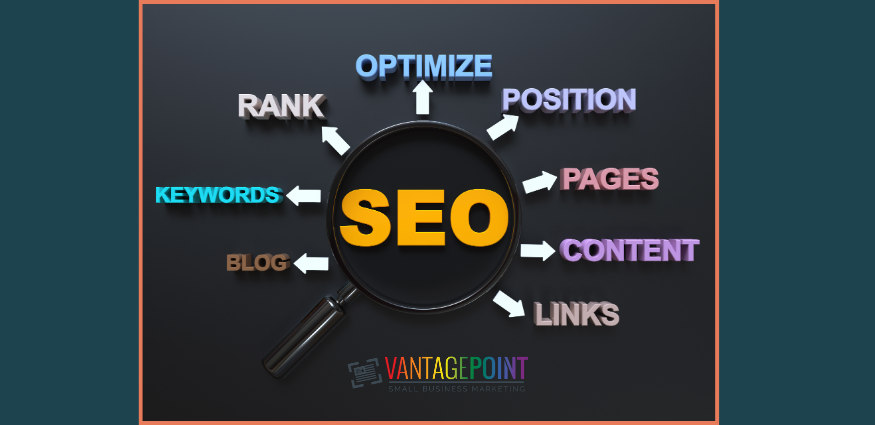
Improving search engine rankings is a fundamental goal of SEO content writing. By effectively optimizing your content with relevant keywords and phrases, you can enhance your website’s visibility in search engine results pages (SERPs). This increased visibility leads to more organic traffic and better opportunities for converting visitors into customers. Here’s how you can achieve higher rankings and the benefits of doing so:
A. Keyword Research and Optimization
Effective SEO content begins with thorough keyword research. Identifying the right keywords—terms and phrases that potential customers use to search for products or services similar to yours—is crucial. Tools like Google Keyword Planner and Ahrefs Keyword Explorer can help you discover high-volume, low-competition keywords that are relevant to your business.
B. Strategic Keyword Integration
Once you’ve identified relevant keywords, integrate them strategically into your content. This includes:
- Title Tags: Incorporate primary keywords into your title tags to improve relevance in search results. Title tags are a key on-page SEO element and play a significant role in ranking.
- Meta Descriptions: Use keywords in your meta descriptions to enhance click-through rates from search results. While meta descriptions don’t directly impact rankings, they can influence user engagement.
- Headings and Subheadings: Organize your content with headings (H1, H2, H3) that include relevant keywords. This not only helps with SEO but also improves content readability.
- Body Content: Naturally include keywords throughout your content. Avoid keyword stuffing, which can lead to penalties from search engines. Instead, focus on creating valuable and informative content that incorporates keywords in a natural and engaging way.
C. On-Page SEO Factors
Optimizing various on-page SEO factors is essential for improving rankings:
- Internal Linking: Use internal links to connect relevant pages within your website. This helps search engines understand the structure of your site and enhances the user experience by providing additional resources.
- Alt Text for Images: Include descriptive, keyword-rich alt text for images. This helps search engines understand the content of your images and can improve your rankings in image search results.
- URL Structure: Ensure your URLs are clean, descriptive, and include relevant keywords. A well-structured URL helps both users and search engines understand the content of your pages.
D. Content Quality and Relevance
High-quality, relevant content is crucial for SEO success. Content should address the needs and interests of your target audience. According to Google’s Quality Rater Guidelines, content that provides comprehensive, authoritative, and user-focused information is more likely to rank well.
E. Technical SEO
Technical SEO aspects also impact your rankings. Ensure your website is technically optimized with:
- Mobile-Friendliness: With the increasing use of mobile devices, having a mobile-friendly site is essential. Use Google’s Mobile-Friendly Test to check if your site meets mobile usability standards.
- Page Speed: Faster-loading pages provide a better user experience and can improve rankings. Tools like Google PageSpeed Insights can help you analyze and enhance your page speed.
F. Monitoring and Adapting
Regularly monitor your website’s performance using tools like Google Analytics and Google Search Console. Track metrics such as organic traffic, bounce rates, and keyword rankings to assess the effectiveness of your SEO efforts and make data-driven adjustments.
G. Building Backlinks
Backlinks from reputable websites can significantly boost your search engine rankings. Focus on creating high-quality content that others want to link to. Strategies for building backlinks include guest blogging, creating shareable infographics, and developing relationships with industry influencers.
Resources for Further Learning:
- Moz’s Beginner’s Guide to SEO provides a comprehensive overview of SEO best practices and strategies.
- Neil Patel’s Guide on How to Do Keyword Research offers insights into effective keyword research techniques.
By focusing on these strategies, you can enhance your website’s search engine rankings, attract more targeted traffic, and increase your chances of converting visitors into loyal customers. Effective SEO content writing is not just about ranking higher but also about delivering valuable and engaging experiences to your audience.
2. Drive Targeted Traffic

Driving targeted traffic is a key benefit of quality SEO content. Unlike generic traffic, targeted traffic consists of visitors who are specifically interested in your products or services. By focusing on relevant keywords and creating content that aligns with user intent, you can attract users who are more likely to engage with your brand and convert into customers. Here’s how to drive targeted traffic effectively:
A. Understand Your Audience
To drive targeted traffic, you must first understand your audience. This involves identifying their needs, preferences, and search behaviors. Tools like Google Analytics can provide valuable insights into your audience demographics, interests, and behaviors. Additionally, using Google Search Console can help you understand what search queries are bringing traffic to your site.
B. Conduct In-Depth Keyword Research
Keyword research is crucial for attracting relevant traffic. Identify keywords and phrases that your target audience is using to search for products or services like yours. Tools such as Ahrefs Keyword Explorer, SEMrush, can help you discover high-intent keywords with a balance of search volume and competition.
C. Create High-Quality, Relevant Content
Develop content that addresses the specific needs and questions of your target audience. This content should be valuable, informative, and aligned with the keywords you are targeting. For example, if you are a local business in Anoka, MN, writing content about “Best Local Services in Anoka” will attract users who are specifically searching for services in that area.
D. Optimize Content for User Intent
Content should be optimized not just for keywords but also for user intent. Understand the purpose behind the search queries and create content that fulfills that intent. For instance, if users are searching for “how-to guides” or “product reviews,” tailor your content to provide comprehensive guides or detailed reviews. This approach improves the relevance of your content and enhances user satisfaction.
E. Use Long-Tail Keywords
Long-tail keywords are more specific phrases that often have lower competition and higher intent. For example, instead of targeting a broad keyword like “marketing,” you might target “digital marketing strategies for small businesses in Anoka.” Long-tail keywords help attract highly targeted traffic and are often used by users who are further along in the buying process. Tools like Google Trends can help you identify trending long-tail keywords.
F. Leverage Local SEO
For businesses that serve specific geographic areas, local SEO is crucial. Optimize your content for local search terms and ensure that your Google My Business profile is complete and accurate. This helps attract users who are searching for local services. For more information on local SEO, check out Moz’s Beginner’s Guide to Local SEO.
G. Promote Content Through Various Channels
Distribute your content through multiple channels to reach a broader audience. Share your content on social media platforms, email newsletters, and industry forums. Engage with communities on platforms like Reddit or Quora to promote your content and drive traffic. Ensure that you tailor your promotion strategy to where your target audience is most active.
H. Monitor and Analyze Traffic
Regularly monitor your website’s traffic and analyze performance metrics to assess the effectiveness of your content. Use Google Analytics to track traffic sources, user behavior, and conversion rates. Adjust your content and SEO strategies based on the data to continually improve your traffic quality.
I. Build Quality Backlinks
Backlinks from reputable sites can enhance your content’s authority and drive targeted traffic. Focus on earning backlinks from websites that are relevant to your industry or local area. Strategies include guest blogging, creating shareable infographics, and collaborating with industry influencers.
J. Adapt to Search Engine Algorithm Updates
Search engine algorithms are constantly evolving. Stay updated with the latest changes and adapt your SEO strategies accordingly. Follow reputable sources like Search Engine Journal and Search Engine Land for updates and insights into SEO best practices.
By implementing these strategies, you can drive targeted traffic to your website, ensuring that the visitors you attract are relevant to your business. This targeted approach not only improves the quality of your traffic but also increases the likelihood of converting visitors into loyal customers. Quality SEO content that aligns with user intent and effectively addresses their needs plays a vital role in achieving these goals.
3. Enhance User Experience

Enhancing user experience (UX) is a crucial aspect of SEO content writing. While keywords are important for search engine visibility, the quality of the content and the overall experience it provides to users are paramount for maintaining engagement and encouraging deeper exploration of your site. Here’s how to improve UX through SEO content and why it matters:
**1. Create Valuable and Relevant Content
High-quality content that directly addresses the needs and questions of your audience is essential for a positive user experience. Content should be:
- Informative and Accurate: Ensure that your content provides accurate, well-researched information. Users should be able to trust your site as a reliable source. According to Content Marketing Institute, valuable content is key to building trust and authority.
- Answering Common Questions: Use tools like Answer the Public to identify common questions and concerns related to your industry. Create content that answers these questions in detail, providing clear and actionable information.
**2. Improve Content Readability
Content should be easy to read and understand. Enhance readability by:
- Using Clear and Concise Language: Avoid jargon and complex sentences. Aim for simplicity and clarity. Hemingway Editor can help you simplify your writing and improve readability.
- Breaking Up Text: Use headings, subheadings, and bullet points to break up large blocks of text. This makes content more scannable and easier to digest. Research by Nielsen Norman Group, highlights the importance of scannable content for better user engagement.
**3. Optimize for Mobile Devices
With the growing use of mobile devices, optimizing your content for mobile is crucial. Ensure that your content is:
- Responsive: Your website should adapt to different screen sizes and devices. Tools like Google’s Mobile-Friendly Test can help you check if your site is mobile-friendly.
- Fast-Loading: Mobile users expect quick access to information. Optimize images, leverage browser caching, and minimize server response times to improve loading speeds. Google PageSpeed Insights provides recommendations for enhancing page speed.
**4. Enhance Content Engagement
Engaging content keeps users on your site longer and encourages exploration of additional pages. You can enhance engagement by:
- Incorporating Visuals: Use images, videos, infographics, and charts to make your content more engaging and visually appealing. According to HubSpot, visuals can significantly boost user engagement.
- Adding Interactive Elements: Interactive content such as quizzes, polls, and interactive infographics can increase user interaction and time spent on your site. Content Marketing Institute provides insights into effective interactive content strategies.
**5. Ensure Easy Navigation
A well-structured website helps users find information quickly and easily. Implement the following practices:
- Logical Site Structure: Organize your content into a logical hierarchy with clear navigation menus. Ensure users can easily find related content through internal links. Smashing Magazine offers tips on creating intuitive site structures.
- Clear Call-to-Actions (CTAs): Use prominent and compelling CTAs to guide users toward desired actions, such as signing up for a newsletter or making a purchase. Ensure CTAs are relevant to the content and user intent.
**6. Reduce Bounce Rates
A high bounce rate indicates that visitors are leaving your site quickly. To reduce bounce rates:
- Improve Content Relevance: Ensure that your content matches the search intent of users. If visitors find what they are looking for, they are more likely to stay and explore further.
- Enhance Site Speed: Slow-loading pages can cause users to leave before the content fully loads. Regularly monitor and optimize your site’s speed to keep users engaged.
**7. Solicit and Use User Feedback
Gathering feedback from users can provide valuable insights into their experience. Implement feedback mechanisms such as surveys, comment sections, and user testing to understand user preferences and areas for improvement. Tools like SurveyMonkey and Hotjar can help you collect and analyze user feedback.
By focusing on enhancing user experience through high-quality, engaging, and user-friendly content, you not only improve your SEO performance but also build a positive reputation and foster customer loyalty. A great user experience encourages visitors to return to your site and recommend it to others, further amplifying the benefits of effective SEO content.
4. Build Brand Authority and Trust

5. Support Other Marketing Efforts

SEO content writing plays a crucial role in supporting and amplifying various marketing strategies, including social media marketing, email marketing, and pay-per-click (PPC) advertising. By creating high-quality, optimized content, you can enhance the effectiveness of these marketing channels and ensure a cohesive approach to your overall marketing efforts. Here’s how SEO content supports and integrates with other marketing strategies:
**1. Social Media Marketing
SEO content can significantly bolster your social media marketing efforts. Here’s how:
- Content Sharing: High-quality blog posts, articles, and infographics can be shared across your social media platforms to engage your audience and drive traffic to your website. Regularly posting valuable content helps maintain an active social media presence and fosters audience engagement. According to Sprout Social, sharing valuable content is essential for building a strong social media strategy.
- Social Media Optimization: Optimize your content with relevant keywords and hashtags to increase its visibility on social platforms. Utilize tools like Hashtagify to find trending and relevant hashtags for your posts.
- Content Promotion: Promote your content through social media ads to reach a broader audience. Platforms like Facebook Ads and LinkedIn Ads allow you to target specific demographics and interests, enhancing the effectiveness of your content promotion.
**2. Email Marketing
SEO content can be leveraged to enhance your email marketing campaigns. Here’s how:
- Engaging Email Newsletters: Use well-crafted, optimized content in your email newsletters to provide valuable information and drive traffic to your website. Include links to blog posts, articles, and resources that offer additional insights. Campaign Monitor provides best practices for creating effective email newsletters.
- Personalization and Segmentation: Personalize your email content based on user behavior and preferences. Segment your email list to target specific groups with relevant content, improving engagement and conversion rates. Tools like Mailchimp offer advanced segmentation and personalization features.
- Compelling CTAs: Incorporate clear and compelling calls-to-action (CTAs) in your emails to encourage recipients to take desired actions, such as visiting your website or downloading resources. HubSpot provides examples and tips for effective CTAs in email marketing.
**3. Pay-Per-Click (PPC) Advertising
SEO content can also support your PPC advertising campaigns. Here’s how:
- Landing Page Optimization: Use high-quality, keyword-optimized content on your landing pages to improve the relevance and effectiveness of your PPC ads. Ensure that your landing pages align with the keywords and messages of your ads to maximize conversion rates. WordStream offers insights into optimizing landing pages for PPC success.
- Ad Copy and Content Alignment: Create compelling ad copy that aligns with your SEO content to ensure a cohesive message. High-quality content can enhance the user experience and improve the performance of your PPC ads. Google Ads Help provides guidelines for writing effective ad copy.
- Remarketing Campaigns: Use content to support remarketing campaigns by creating targeted ads based on users’ previous interactions with your website. Remarketing allows you to re-engage visitors who have shown interest but did not convert. AdRoll provides resources on implementing effective remarketing strategies.
**4. Content Repurposing
Repurposing SEO content can amplify your marketing efforts across various channels:
- Infographics and Videos: Transform blog posts and articles into infographics or videos to reach different audience preferences. Tools like Canva and Piktochart can help you create engaging visual content.
- E-books and Whitepapers: Compile in-depth blog content into e-books or whitepapers for lead generation and nurturing. Offer these resources as gated content to capture leads. HubSpot’s Guide offers tips on creating effective lead magnets.
**5. Analytics and Tracking
Utilize analytics to track the performance of your content across different marketing channels. Monitor metrics such as traffic, engagement, and conversions to assess the impact of your SEO content on your overall marketing efforts. Tools like Google Analytics and SEMrush provide valuable insights into content performance.
By integrating SEO content with social media marketing, email marketing, and PPC advertising, you create a cohesive and effective marketing strategy that maximizes reach, engagement, and conversions. High-quality content not only supports these efforts but also enhances their effectiveness, leading to a more successful overall marketing approach.
6. Stay Ahead of Competitors
In a competitive market, staying ahead of your competitors is crucial. Investing in SEO content writing helps you remain relevant and visible in search engine results. By regularly updating your content and targeting new keywords, you can outperform competitors and capture a larger share of the market.
In conclusion, SEO content writing is a powerful tool for boosting your online presence, driving targeted traffic, and enhancing user experience. By prioritizing quality SEO content, you can achieve better search engine rankings, build brand authority, and support your overall marketing strategy.
Ready to take your digital marketing to the next level? Contact us today to learn how VantagePoint Marketing Group can help you create effective SEO content and drive business growth.

© 2024 VantagePoint Marketing All Rights Reserved.