SEO Insights: Crucial For Success
In the ever-evolving world of digital marketing, understanding and implementing effective SEO (Search Engine Optimization) strategies is essential for business success. This article delves into key SEO insights that are crucial for enhancing your online presence, improving search engine rankings, and driving more traffic to your website.
1. The Importance of Keyword Research

Keyword research is the foundation of any successful SEO strategy. It involves identifying the terms and phrases your target audience is searching for and integrating them into your content. Keyword research is a fundamental aspect of SEO that involves discovering the words and phrases potential customers are using to search for products, services, or information related to your business. Proper keyword research enables you to create content that aligns with user intent, improves your search engine visibility, and drives targeted traffic to your website. Here’s a deeper look into how tools like Google Keyword Planner and Ahrefs can help with keyword research:
1. Understanding Keyword Research
Keyword research is the process of identifying and analyzing search terms that people enter into search engines. By integrating these keywords into your website’s content, you can increase the chances of your pages appearing in search results when users search for those terms.
2. Google Keyword Planner
Google Keyword Planner is a free tool provided by Google Ads that helps you find keywords related to your business and see how they might perform. It’s particularly useful for:

- Discovering New Keywords: Enter a product or service related to your business, and Google Keyword Planner will provide a list of related keywords along with their search volume and competition level.
- Analyzing Keyword Metrics: The tool provides insights into average monthly searches, competition levels, and suggested bid prices, helping you gauge the value of each keyword.
- Refining Keyword Strategies: Use the tool to explore keyword variations and match types, enabling you to fine-tune your SEO strategy based on user intent and search behavior.
For a detailed guide on how to use Google Keyword Planner, check out Google’s Keyword Planner Help.
3. Ahrefs
Ahrefs is a comprehensive SEO toolset known for its robust keyword research features. Here’s how Ahrefs can enhance your keyword research:

- Keyword Explorer: Ahrefs’ Keyword Explorer provides detailed data on search volume, keyword difficulty, and click-through rates. This helps you identify high-value keywords that can drive targeted traffic.
- SERP Analysis: Analyze the search engine results pages (SERPs) for specific keywords to understand the competition and discover content gaps that you can fill with your own content.
- Keyword Suggestions: Ahrefs offers keyword suggestions based on seed keywords, including related terms, questions, and prepositions, giving you a broader view of potential keyword opportunities.
Explore more about keyword research using Ahrefs through their Keyword Research Guide.
4. Practical Application
When using these tools, consider the following steps to maximize your keyword research:
- Identify Primary Keywords: Start with broad terms related to your business and then drill down to more specific phrases that accurately represent your offerings.
- Analyze Competitors: Use tools to assess which keywords your competitors are ranking for and find opportunities to target similar or related keywords.
- Monitor and Adjust: Regularly review your keyword performance and adjust your strategy based on changing trends and search behavior.
5. Additional Resources
- SEMrush Keyword Research: Another powerful tool for in-depth keyword analysis and competitive research.
- Moz Keyword Explorer: Provides valuable keyword data and insights for SEO planning.
By leveraging tools like Google Keyword Planner and Ahrefs, you can gain valuable insights into keyword opportunities, optimize your content effectively, and drive targeted traffic to your website. These tools are essential for developing a successful SEO strategy and staying ahead in the competitive digital landscape.
On-page SEO Best Practices
On-page SEO refers to the optimization of individual web pages to rank higher and earn more relevant traffic. Key elements include:
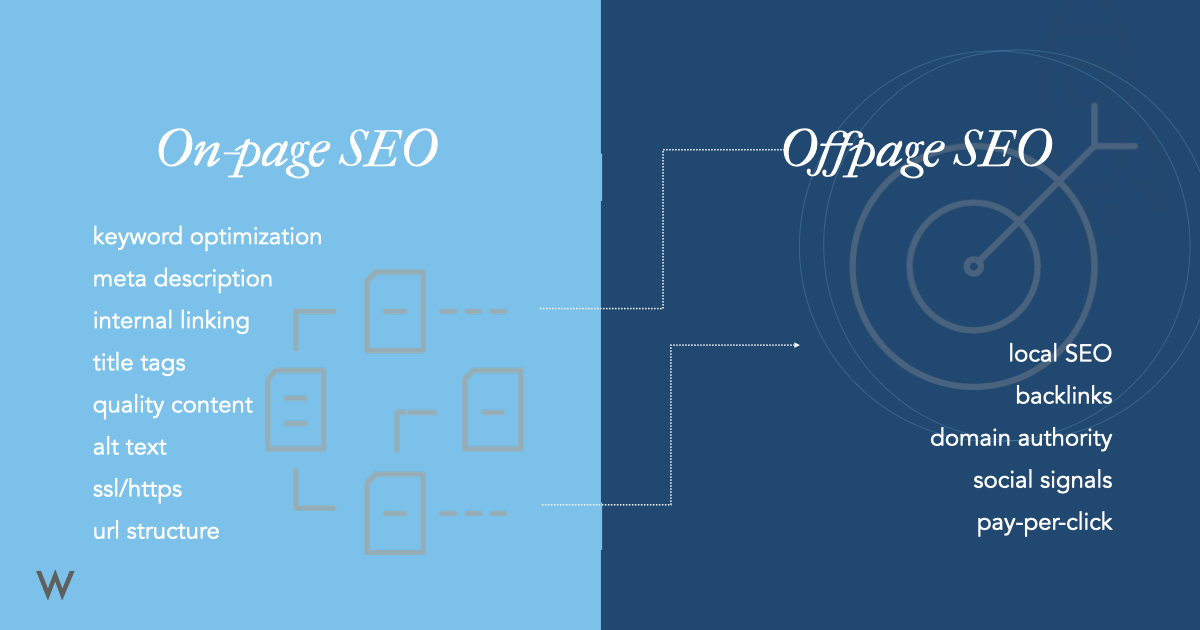
- Title Tags and Meta Descriptions: Include primary keywords in title tags and meta descriptions to improve visibility. Semrush – what are meta tags blog offers guidance on optimizing these elements.
- Content Quality: Ensure your content is engaging, informative, and addresses the needs of your audience. VantagePoint Marketing provides tips on creating high-quality content.
- Internal Linking: Use internal links to connect related content and help search engines understand the structure of your site. Yoast’s Guide discusses best practices for internal linking.
3. The Role of Technical SEO
Technical SEO involves optimizing the infrastructure of your website to improve its crawling and indexing by search engines.
- Website Speed: Improve page load times to enhance user experience and SEO. Google’s PageSpeed Insights can help you analyze and optimize page speed.
- Mobile-Friendliness: Ensure your site is responsive and performs well on mobile devices. Google’s Mobile-Friendly Test evaluates your site’s mobile compatibility.
- XML Sitemaps: Create and submit XML sitemaps to help search engines discover and index your pages. Screaming Frog’s Guide provides detailed information on sitemaps.
4. Off-Page SEO and Building Authority

Off-page SEO focuses on actions taken outside your website to improve its authority and ranking.
- Backlinks: Earn high-quality backlinks from reputable sites to boost your site’s authority. Backlinko’s Blog offers strategies for effective backlink building.
- Social Media Signals: Engage with your audience on social media platforms to drive traffic and enhance brand awareness. HubSpot Social Media vs. SEO blog provides tips on leveraging social media for SEO.
5. Measuring and Analyzing SEO Performance
Regularly measuring and analyzing your SEO performance helps you understand what’s working and where improvements are needed.
- Google Analytics: Use Google Analytics to track website traffic, user behavior, and conversion rates.
- Google Search Console: Monitor your site’s performance and indexing status using Google Search Console.
- SEO Reporting Tools: Tools like SEMrush and Moz provide comprehensive SEO performance reports and insights.
Implementing effective SEO strategies is crucial for achieving online success. By focusing on keyword research, on-page and technical SEO, off-page optimization, and performance analysis, you can enhance your website’s visibility, attract targeted traffic, and build authority in your industry. Stay informed about the latest SEO trends and best practices to continuously optimize your digital marketing efforts.
© 2024 VantagePoint Marketing Group. All Rights Reserved.