Marketing Analytics for Small Businesses: What to Track Before Q4
Published September 2026 by Author Jacqueline McGreevey
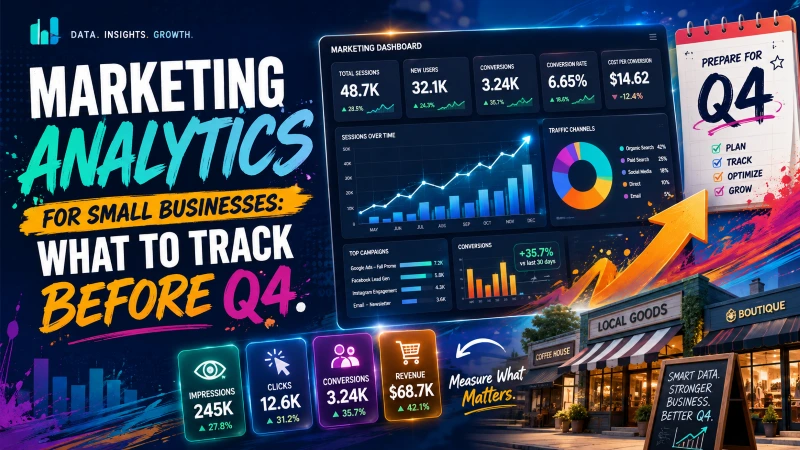
Marketing Analytics for Small Business helps owners understand which marketing efforts create traffic, leads, sales, and measurable growth. Before Q4 begins, review website traffic, search visibility, lead sources, conversion rates, advertising costs, and customer actions. These numbers can reveal where to invest more, what needs improvement, and which marketing efforts may be wasting valuable budget.
Frequently Asked Questions About Marketing Analytics for Small Business

What marketing analytics should a small business track?
Track website traffic, traffic sources, leads, conversion rates, search visibility, advertising costs, engagement, and revenue when possible.
Why should small businesses review marketing analytics before Q4?
Q4 often brings changing customer behavior, holiday activity, year-end budgets, and increased competition. Reviewing data early helps businesses prepare.
Are website visits enough to measure marketing success?
No. Traffic shows interest, but it does not show whether visitors become customers. Leads and conversions provide more useful business context.
What is a conversion in marketing analytics?
A conversion happens when someone completes an important action. Examples include calling, submitting a form, requesting a quote, or making a purchase.
How can small businesses use analytics with AI marketing tools?
AI can identify patterns and summarize data faster. Business owners still need clear goals and human judgment when making marketing decisions.
How often should a small business review marketing performance?
Monthly reviews work well for most businesses. High-spend advertising campaigns may require weekly monitoring and more frequent adjustments.
Which metrics matter most for local businesses?
Local businesses should watch calls, forms, website visits, Google Business Profile activity, local rankings, conversions, and lead quality.
Why Marketing Data Matters Before Q4
September provides an important opportunity to review marketing performance before the final quarter begins. Many businesses enter Q4 with new promotions, seasonal demand, annual goals, and tighter deadlines. However, planning without reliable data can turn marketing into guesswork. Analytics shows where customers come from and what they do after reaching your business. It can also show which marketing channels generate meaningful results. That information helps businesses make better decisions before investing additional money during Q4.
VantagePoint provides Marketing Analytics + Measurement services designed to turn performance data into useful business insights.
Marketing Analytics for Small Business Should Start With Goals
Tracking every available number rarely provides clarity. Instead, start with the business outcome you want marketing to support. A service company may want more qualified estimate requests. A retailer may want more purchases, store visits, or repeat customers. A professional service provider may focus on consultation requests and phone calls. Your goals should determine which metrics deserve attention. Google Analytics now organizes reporting around business objectives such as leads, sales, consideration, and engagement. This approach encourages businesses to connect measurement with real outcomes.
Learn more through Google’s official Google Analytics business objectives guidance.
What Should Small Businesses Track Before Q4?
The most useful marketing dashboard does not need dozens of numbers. A focused set of metrics can reveal much more than an oversized report.
| Metric | What It Tells You | What to Review Before Q4 |
|---|---|---|
| Website Traffic | How many people reach your website | Compare recent months and identify meaningful trends |
| Traffic Sources | Where visitors come from | Compare organic, paid, social, referral, and direct traffic |
| Search Visibility | How customers find you through search | Review clicks, impressions, rankings, and high-performing queries |
| Leads | How many prospects contact your business | Track calls, forms, quote requests, and appointments |
| Conversion Rate | How effectively traffic becomes action | Identify pages producing leads and pages losing visitors |
| Cost Per Lead | How much paid marketing costs for each lead | Compare campaigns before increasing Q4 advertising |
| Lead Quality | Whether inquiries match your ideal customer | Look beyond lead totals and review actual business value |
| Revenue or Sales | Which efforts contribute to business results | Connect marketing activity with sales whenever possible |
Traffic Matters, But Traffic Alone Can Be Misleading
Website traffic remains useful, but traffic should never become the only measure of success. A website could gain more visitors while generating fewer leads. Another website could lose some traffic while attracting more qualified prospects. The second situation may actually produce better business results. This distinction becomes especially important as search behavior changes. AI answers and expanded search results can reduce some website clicks. That does not automatically mean your marketing strategy has failed. Instead, compare visibility with actual customer actions and lead quality.
VantagePoint’s Search Engine & AI Optimization services connect SEO performance with broader visibility and business goals.
Track the Actions That Matter Most
Small businesses should identify several actions that indicate genuine customer interest. Those actions may include contact forms, phone calls, purchases, appointments, downloads, or quote requests. Google Analytics refers to important website actions as key events. Tracking these actions helps businesses understand which marketing channels contribute to meaningful activity. A form submission often matters more than several hundred casual page views. A qualified phone call may matter more than increased social engagement. Measurement becomes more useful when every metric connects to a business objective.
Do Not Ignore Lead Quality
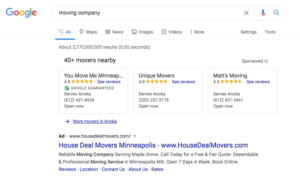
Lead count tells only part of the story. Twenty poor leads may have less value than five excellent prospects. Small businesses should review what happens after a lead enters the sales process. Ask whether the customer needed the right service. Consider whether the customer came from your desired service area. Review whether the opportunity fit your target project size or budget. This information can reveal problems that standard analytics platforms cannot see alone. Marketing teams can then adjust keywords, advertising, website messaging, and targeting.
Conversion Rate Can Reveal Website Problems
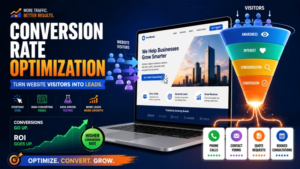
Getting visitors to your website represents only one part of digital marketing. Your website must also help visitors take the next step. A low conversion rate may point toward unclear messaging, confusing navigation, or weak calls to action. Slow pages and complicated contact forms can also reduce conversions. Sometimes marketing does its job perfectly, but the website prevents visitors from becoming leads. Conversion Rate Optimization helps identify and remove those obstacles. Improving conversions can also increase results without requiring additional advertising traffic.
Review Paid Advertising Before Increasing Q4 Spending

Q4 can tempt businesses to increase advertising quickly. Before increasing budgets, review what current campaigns have actually produced. Compare clicks, leads, cost per lead, conversion rate, and lead quality. Do not assume the campaign with the most clicks performs best. The strongest campaign usually creates valuable customer actions at a sustainable cost. Businesses should also compare paid performance with organic search and other channels. This provides better context for future budget decisions.
VantagePoint can connect campaign planning with Marketing Strategy + Planning.
Look for Trends Instead of Isolated Numbers
One unusually strong week can distort expectations. One slow week can also create unnecessary concern. Marketing data becomes more meaningful when businesses review trends over time. Compare the current month with the previous month. When possible, compare results with the same period last year. Seasonal businesses should pay particular attention to year-over-year patterns. For example, declining September traffic may be normal for one industry. The same decline could signal a serious visibility issue for another business. Context matters more than a single percentage change.
Marketing Analytics for Small Business in an AI-Driven Market
AI has made marketing analytics both easier and more complicated. Modern tools can summarize reports, identify patterns, and surface changes quickly. However, AI cannot automatically understand every business priority. A reporting system may flag declining traffic without understanding seasonal customer behavior. It may celebrate higher lead volume without knowing those leads are poor quality. This is where human analysis still matters. Use AI to process information faster, but connect those findings to real business knowledge. Owners and marketing teams should ask why something changed before deciding what to change next.
Watch for Early Warning Signs Before Q4
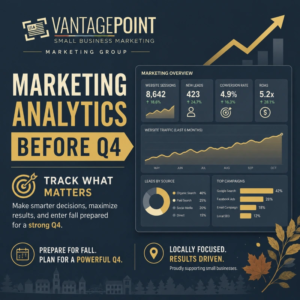
September analytics can reveal issues that deserve attention before the busiest months arrive. Watch for declining search impressions across important services. Look for traffic growth without corresponding lead growth. Check whether paid advertising costs are rising faster than conversions. Review pages receiving traffic but producing little engagement. Look for geographic traffic from areas your business does not serve. Also review whether your strongest service pages continue attracting qualified visitors. Finding these problems early gives your business time to respond.
Some Metrics Are Useful, But Not Equally Important
Business owners can easily become distracted by impressive-looking numbers. Social followers, page views, impressions, and engagement all provide useful information. However, those numbers require context. An impression shows that someone may have seen your business. A click shows greater interest. A qualified lead moves even closer to revenue. Small businesses should avoid treating every metric as equally important. The closer a measurement connects to a meaningful business outcome, the more attention it deserves.
Turn Analytics Into Decisions
A report has little value when nobody acts on it. Every monthly review should end with clear next steps. You might expand content around a service gaining search visibility. You could improve a landing page receiving traffic but generating few inquiries. You might reduce advertising spend on a campaign producing expensive, poor-quality leads. You could also increase investment in a channel consistently producing valuable prospects. That process turns analytics from reporting into strategy.
“We are very happy with how the team at VantagePoint helped us created an updated website and then helped build our presence online. We have an increase in traffic and leads coming in. They are very helpful in helping us strategize how to optimize our site more and take it to the next goal. We are happy to continue working with VantagePoint!”
— MainStreet Designs, 5-Star Google Review
Know What Is Working Before Q4 Begins
Small businesses do not need more data simply for the sake of having data. They need useful information that supports smarter decisions. Before Q4, identify the channels generating visibility, leads, and real customer opportunities. Then identify what needs improvement before investing additional time or money. VantagePoint Marketing helps businesses connect analytics with SEO, website performance, advertising, and long-term marketing strategy.
Want a clearer picture of what your marketing is actually producing?
Contact VantagePoint Marketing to discuss your goals, current performance, and opportunities for stronger Q4 results.